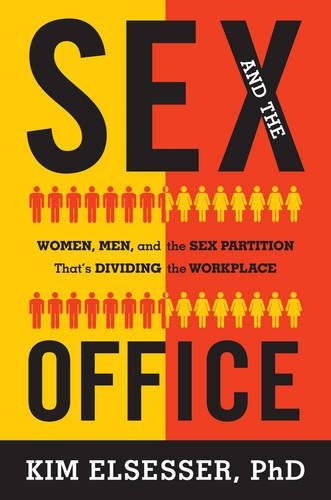
Книга Sex and the Office: Women, Men, and the Sex Partition That's Dividing the Workplace
Women are not to blame for their lack of advancement at work. Failure to lean in and greater responsibility for childcare don’t fully explain why women are not reaching the top levels of many corporations. The truth is, many senior male executives are reluctant to have a one-on-one meeting with a junior woman at work. They’re afraid that an offhand remark will be misinterpreted as sexual harassment or that their friendliness will be mistaken for romantic interest. As a result, many male executives stick with other men, especially when it comes to dinners, drinks, late-night meetings, or business trips. When it’s time for promotions or pay raises, these same executives are more likely to show preference to the employees with whom they feel most comfortable—other men. In Sex and the Office, Kim Elsesser delves into how issues as varied as workplace romance, spousal jealousy, organizational sexual harassment policies, and communication differences create barriers between the sexes at work. Since senior management is still largely dominated by men, these barriers—which Elsesser labels “the sex partition”—often leave female employees without the influential friends and mentors critical for career success. Fortunately, all hope is not lost. Elsesser offers practical advice on how to break down the sex partition and reveals the best strategies for networking with the opposite sex. Sex and the Office is sure to spark new dialogue on the sources of the gender gap as well as its solutions.
"I think Elsesser has taken risks with Sex and the Office: she’s written a brave and sensible book that resonates like the first play of a good pop song. Even though you haven’t heard it before, you sort of already know it." - The Times (UK)
"The difficulties facing women in high-level jobs are not always borne of malice—often they result from run-of-the-mill discomfort and anxiety, says scholar and journalist Elsesser. She should know; she went to MIT when the graduate student body there was more than 80% male and worked at the Morgan Stanley trading floor when female traders were few and far between. The changing boundaries and rules regarding acceptable behavior both in the workplace and at work-related social events, she argues, can have a detrimental effect on workplace relationships—and, consequently, on women's careers. Both men and women struggle with distinguishing between friendliness and sexual harassment, and with handling compliments to coworkers, outings on business trips, and networking—not to mention workplace romances. How to overcome those barriers, which keep men and women fearful of and apart from each other in the workplace? Elsesser adeptly provides both philosophical and granular help to managers, leaders, and anyone else looking to navigate the tricky gender partitions which exist in the workplace. A helpful, thoughtful, compassionate guide." - Publishers Weekly
"[T]his book bravely takes on the ways that our current obsession with legislating contact between the sexes-usually 'to keep people from suing the corporation' - has hurt women, because men fear that extracurricular contact with the opposite sex can be construed as harassment. . . .[Elsesser] introduces data that shows how hard it is for people who spend a lot of time together at work not to be attracted to each other, something called the 'mere exposure effect'." - Elle
"‘an unexpectedly thrilling read. .. .it says a load of stuff no one else is daring to say about the way men and women relate, or rather, fail to relate, professionally. .. .the book is filled with anecdotes. .. .all of which further illustrate the pickle in which we now find.' - The Times Magazine" - The Times [U.K.]