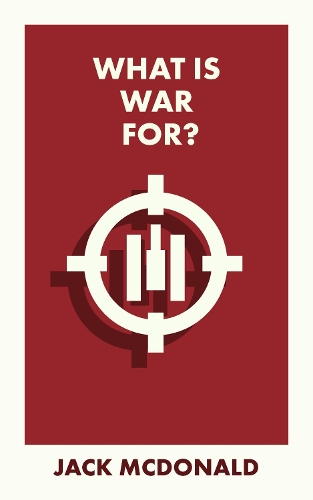
How does armed conflict shape global politics? And, critically, can it ever be regulated, a necessary first step to achieving a more peaceful world?
This book examines the factors that define and shape war in the contemporary world, and how changes to technology and society are transforming warfare.
Focusing on efforts to regulate and eliminate war, it provides a guide to the complex problems it poses now – and threatens in the future.How does armed conflict shape global politics?
When states wage war on their neighbours while denying its existence, what chance do we have to regulate it, and how will we ever achieve a more peaceful world?
This book examines how changes to social rules – such as interpretations of international law – reshape how states explain their military actions, and changes to technology and society transform the activities that constitute contemporary warfare.
Analysing the role that war serves in global politics, it outlines the multiple ways that war affects the contemporary world, from international relations to our day-to-day lives.
Focusing on two competing visions of war – that war can and should be eliminated, and that war is a permanent problem to be managed – it takes the second path as a necessary step towards the first, in the maybe vain hope that it is ever achievable.