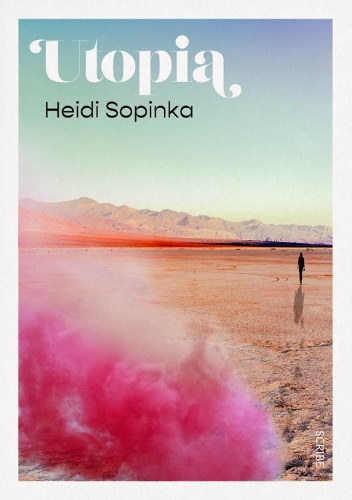
‘Utopia is a marvel. Vividly beguiling on art, love, and what it means to be alive, every page thrums with magic.’ Sophie Mackintosh, author of The Water Cure
‘Tense, sexy, and uncanny. Utopia shimmers with desert heat and burns with atmosphere. It’s Rebecca meets Zabriskie Point. Luminous.’ Francesca Reece, author of Voyeur
It’s okay for men to make bad art. There’s no price on their head for doing it … Nothing for men is pre-determined, except their chance at great success.
Los Angeles, 1978.
When Romy, a gifted young artist in the male-dominated art scene of 1970s California, dies in suspicious circumstances, it is not long before her art-star husband Billy finds a replacement.
Paz, fresh out of art school in New York, returns to California to take her place. But she is haunted by Romy, who is everywhere: in the photos and notebooks and art strewn around the house, and in the eyes of the baby she left behind.
As Paz attempts to claim her creative life, strange things begin to happen. Photographs move, noises reverberate through the house, people start to question what really happened the night Romy died, and then a postcard in her handwriting arrives. As Paz becomes increasingly obsessed with the woman she has replaced, a disturbing picture begins to emerge, driving her deep into the desert — the site of Romy’s final artwork — to uncover the truth.
At once an exquisite exploration of creativity and an atmospheric page-turner, Utopia is a book that takes hold of you and will leave you altered.
"
‘There are many hints of Daphne du Maurier’s Rebecca … Part page-turning mystery, part ode to art and women’s resilience, this is a beautifully odd book that needs and deserves time to seep into the reader’s bones.’
" - Sunday Independent"
‘Utopia cleverly investigates layers of social issues: feminism and its intersections with race and class; gender roles in life and in art; women’s relationships; the artist’s relationship to commerce and social justice … [Sopinka] excels in characterisation and the evocation of the power of creation.’
" - Shelf Awareness"
‘Sopinka’s mesmerising latest … stages a story of obsession in the 1970s Los Angeles art world … This page-turner doubles as a love letter to the daring women on the fringes of art history.’
" - Publishers Weekly"
‘Throughout, Sopinka’s matter-of-fact, almost dead-pan, narration is juxtaposed with penetrating, dramatic dialogues. Her great strength is in recording how people strike off each other, then strike out at each other.’
" - The Canberra Times"
‘Tinged with horror, Utopia creates a terse and tightly wound artistic mystery.’
" - The Sydney Morning Herald"
‘In the male-dominated California art scene of the 1970's, Paz, an emerging young female artist, is haunted. Haunted by her new husband's dead wife, a rising artist who died suspiciously, leaving behind both a baby and a mystery. Haunted by her own impostor syndrome, after essentially inheriting someone else's life. Haunted by the men in control and the women she doesn't feel equal to. Moody, atmospheric, tense, feminist, and moving. I loved immersing myself in this unique world and quietly powerful novel.’
" - Carmichael's Bookstore"
‘Heidi Sopinka returns with flawless prose and aching atmosphere in this hypnotic exploration of art, power, ownership, and identity. Utopia solidifies Sopinka as an artist at the top of her game — unafraid to be equal parts tender and cutting in her musings on feminine relationships. This book is devastating in the most beautiful way possible.’
" - Brazos Bookstore"
‘This is what you get if you steep de Maurier’s ,Rebecca in sex, drugs, and turpentine and stick it in the 1970s desert art world. Shimmering with sweat and rippling with obsession and grief (over people, art, obsolescence), the women in this book bristle against the collectivist art world and its misogyny, each of them trying to make their mark in radical performance art, each of them stifled by choices their own and not. In turns unsettling and violent, these characters reckon with their insecurities, both the internal failures of new motherhood and the external pressures to disappear and let the men in their lives thrive. Character-driven, with palpable rage and unbridled self-reflection, the narrative stews in themes and vibes.’
" - Epilogue Books Chocolate Brews"
Praise for The Dictionary of Animal Languages:
‘Masterfully written in expressive prose, The Dictionary of Animal Languages is a tale of an artist’s life outlining love and loss and the surprises, both good and bad, that were thrown in her path. It is full of keen observations which are almost meditative, perhaps an indication of the artist’s ability to appreciate beauty and small details, especially in nature, which give continued meaning to life even when events turn tragic.’
" - Irish Examiner