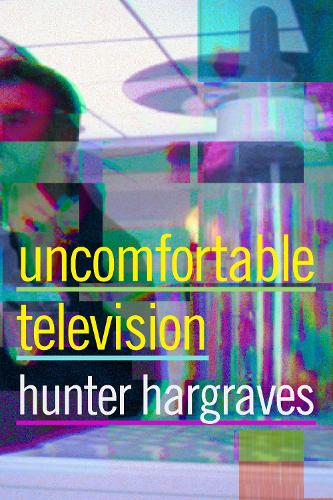
Книга Uncomfortable Television
From The Wire to Intervention to Girls, postmillennial American television has dazzled audiences with novelistic seriality and cinematic aesthetics. Yet this television is also more perverse: it bombards audiences with misogynistic and racialized violence, graphic sex, substance abuse, unlikeable protagonists, and the extraordinary exploitation of ordinary people. In Uncomfortable Television, Hunter Hargraves examines how television makes its audiences find pleasure through feeling disturbed. He shows that this turn to discomfort realigns collective definitions of family and pleasure with the values of neoliberal culture. In viscerally violent dramas, cringeworthy ironic comedies, and trashy reality programs alike, televisual unease trains audiences to survive under late capitalism, which demands that individuals accept a certain amount of discomfort, dread, and irritation into their everyday lives. By highlighting how discomfort has been central to the reorganization and legitimization of television as an art form, Hargraves demonstrates television’s role in assimilating viewers into worlds marked by precarity, perversity, and crisis.
"Uncomfortable Television is an interesting work that raises many compelling questions about the relationship between televisual content and our own processing of reality and invites further discussion on affect theory and how affect potentially shapes most of our behavior. It is an insightful read for academics, political theorists, and students of many strands of humanities . . . ." - Popmatters
"Hargraves's book sits at the intersection of scholarship focusing on neoliberalism, affect, and popular culture and synthesizes these conversations in fruitful ways. . . . Recommended. Advanced undergraduates through faculty." - Choice
"
“Uncomfortable Television provides television, performance, and American studies scholars and graduate students with an interesting and insightful look into how televisual affect is mobilized. … [A] compelling illustration of the complex constellation of components that provide a framework for the affective and ideological functions of television.”
" - European Journal for American Studies