The defining moment of the Cold War: 'The beginning of the end of the Soviet empire.' (Richard Nixon)
The defining moment of the Cold War: 'The beginning of the end of the Soviet empire.' (Richard Nixon)
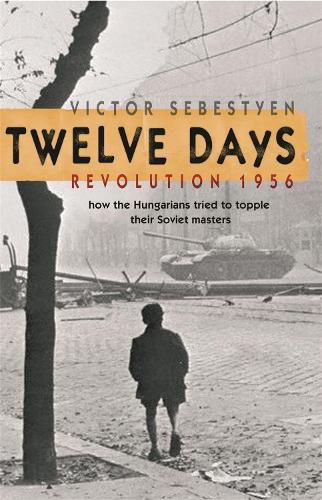
The Hungarian Revolution in 1956 is a story of extraordinary bravery in a fight for freedom, and of ruthless cruelty in suppressing a popular dream. A small nation, its people armed with a few rifles and petrol bombs, had the will and courage to rise up against one of the world's superpowers.
The determination of the Hungarians to resist the Russians astonished the West. People of all kinds, throughout the free world, became involved in the cause. For 12 days it looked, miraculously, as though the Soviets might be humbled. Then reality hit back. The Hungarians were brutally crushed. Their capital was devastated, thousands of people were killed and their country was occupied for a further three decades.
The uprising was the defining moment of the Cold War: the USSR showed that it was determined to hold on to its European empire, but it would never do so without resistance. From the Prague Spring to Lech Walesa's Solidarity and the fall of the Berlin Wall, the tighter the grip of the communist bloc, the more irresistible the popular demand for freedom.
"Sebestyen's ...will be the classic account of the Uprising" - Economist History Book of the Year 2006
"Sebestyen's account of the doomed uprising is utterly enthralling and almost unbearable to read" - Daily Mail
"A small masterpiece that should be read and treasured by all who value mankind's eternal quest for freedom" - New York Post
"Sebestyen's gripping description of the uprising is impressively researched and even-handed" - Observer
"Sebestyen's account is elegant and emotive" - Daily Telegraph
"A gripping and enlightening read ... recommended for anyone wanting to learn more about a tragic and regrettable event in European history" - Tribune