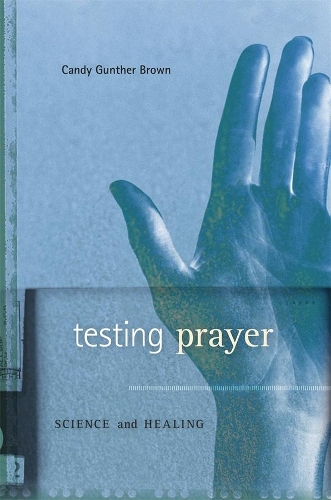
Книга Testing Prayer: Science and Healing
This book is a remarkable synthesis of empirical research and theological insight which opens up important new areas for evidence-based scientific and spiritual exploration. It points out, and then guides the reader around, the multiple pitfalls, biases and emotions that inevitably surround the topic of the scientific investigation of prayer and healing. -- Martin Moore-Ede, M.D., Ph.D., Chairman, Global Medical Research Institute and former Professor, Harvard Medical School Testing Prayer fills a significant gap in the study of the role of healing in contemporary religious movements, and is unusual in doing so through the use of a range of perspectives. The book is clearly written, well referenced, and in a balanced and considered way avoids the temptations to privilege either theology or experience over science, or to reduce observed phenomena to material explanations. The author instead encourages conversation among scientists and religious practitioners with a view toward future collaborative exploration. I found the project original, credible and compelling. -- Dr. John R. Peteet, Associate Professor of Psychiatry, Harvard Medical School
When sickness strikes, people around the world pray for healing. Many of the faithful claim that prayer has cured them of blindness, deafness, and metastasized cancers, and some believe they have been resurrected from the dead. Can, and should, science test such claims? A number of scientists say no, concerned that empirical studies of prayer will be misused to advance religious agendas. And some religious practitioners agree with this restraint, worrying that scientific testing could undermine faith.
In Candy Gunther Brown’s view, science cannot prove prayer’s healing power, but what scientists can and should do is study prayer’s measurable effects on health. If prayer produces benefits, even indirectly (and findings suggest that it does), then more careful attention to prayer practices could impact global health, particularly in places without access to conventional medicine.
Drawing on data from Pentecostal and Charismatic Christians, Brown reverses a number of stereotypes about believers in faith-healing. Among them is the idea that poorer, less educated people are more likely to believe in the healing power of prayer and therefore less likely to see doctors. Brown finds instead that people across socioeconomic backgrounds use prayer alongside conventional medicine rather than as a substitute. Dissecting medical records from before and after prayer, surveys of prayer recipients, prospective clinical trials, and multiyear follow-up observations and interviews, she shows that the widespread perception of prayer’s healing power has demonstrable social effects, and that in some cases those effects produce improvements in health that can be scientifically verified.
"Readers interested in the relationship between religion and medicine will find that this book sets a new standard." - Choice