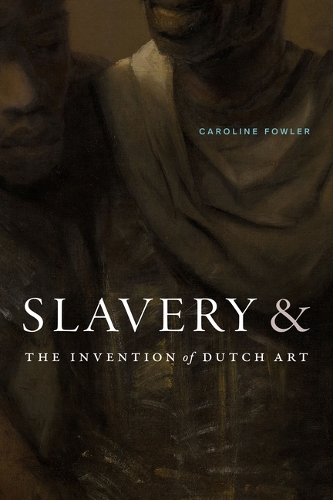
In Slavery and the Invention of Dutch Art, Caroline Fowler examines the fundamental role of the transatlantic slave trade in the production and evolution of seventeenth-century Dutch art. Whereas the sixteenth-century image debates in Europe engaged with crises around the representation of divinity, Fowler argues that the rise of the transatlantic slave trade created a visual field of uncertainty around picturing the transformation of life into property. Fowler demonstrates how the emergence of landscape, maritime, and botanical painting were deeply intertwined with slavery’s economic expansion. Moreover, she considers how the development of one of the first art markets was inextricable from the trade in human lives as chattel property. Reading seventeenth-century legal theory, natural history, inventories, and political pamphlets alongside contemporary poetry, theory, and philosophy from Black feminism and the African diaspora, Fowler demonstrates that ideas about property, personhood, and citizenship were central to the oeuvres of artists such as Rembrandt van Rijn, Hercules Segers, Frans Post, Johannes Vermeer, and Maria Sibylla Merian and therefore inescapably within slavery’s grasp.
"“The scholarly audience and the museum world have been waiting for a book like this for a long time. Given the shifting perspective in Old World heritage institutions on the place of slavery, racialization, and empire, there is a great need for Caroline Fowler’s thorough theorization and reflection. An impressive book.”" - White Lies and Black Markets: Evading Metropolitan Authority in Colonial Suriname, 1650–1800
"“In this passionate and imaginative book Caroline Fowler offers important new accounts of canonical artists from the portraiture of Rembrandt to the interior scenes of Gerard ter Borch, Frans van Mieris, and Vermeer to the iconoclastic interiors of Pieter Jansz. Saenredam. Brilliant and original.”" - Bosch and Bruegel: From Enemy Painting to Everyday Life