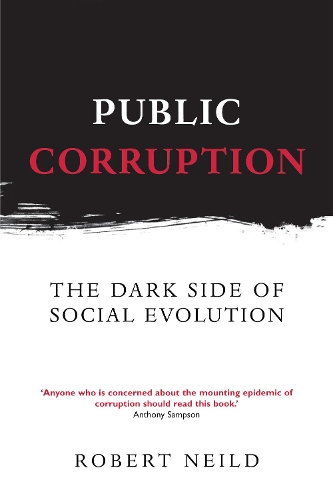
A fascinating, confrontational investigation of the nature of corruption, its narcissistic origins and destructive future.
'Public Corruption' is a stimulating and entertaining book about a daunting problem: the influence on public corruption of the changing nature of warfare. It will be of as much interest to the general reader and those around the seats of power as it is to historians and social scientists. The quality of the writing alone makes it a delight to read.
Throughout history, public corruption has been endemic. Exceptionally, it was significantly suppressed in modern times in northwestern Europe. Why did that happen? Why did politicians introduce measures that acted against their own interests? And are the political forces that then induced reform alive in today's world? Neild explores these highly topical questions by looking at the suppression of corruption in the late eighteenth and nineteenth centuries in four countries – France, Germany, Britain and the USA; at the evolution of independent judiciaries; at developments in the twentieth century, including a reminder of how widely corruption was used as a weapon in the Cold War, particularly in the Third World. Finally, and most devastatingly, he analyses the rise and decline in standards of public life in Britain in the twentieth century.