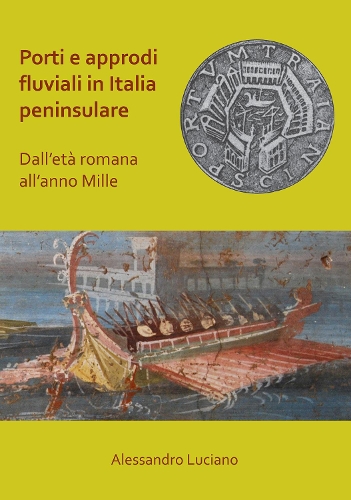
Книга Porti e approdi fluviali in Italia peninsulare: dall’età romana all’anno mille
In the Imperial Age, many ports in Italy had been built in opus coementicium. The most important ones were in Latium (eg. Portus Romae, Antium and Centumcellae), in the Phlegrean Fields (portus Iulius, Misenum, Puteoli and Baiae) and along the northern-Adriatic coast (Classis-Ravenna, Aquileia and Altino). The military fleets of Augustus, in particular, were quartered in the ports of Classis and Misenum.
Most Roman ports were located at river mouths and/or in lagoon areas and were connected with inland areas by rivers or artificial canals. For this reason, port structures (piers and warehouses) were set at some distance from the sea, as in Rome (Emporium of Testaccio along the Tiber), in Pisa-San Rossore and in the Po valley.
In Late Antiquity many of the Roman ports gradually fell into disuse while others continued until the 7th century. In Ravenna, however, a new port settlement, known as Civitas Classis, came into being in the 5th century, after the creation of the suburb of Portus Romae.
In the Early Middle Ages, the northern-Adriatic coast became very important in connection with trade with Constantinople. New settlements equipped with timber port structures were created at Comacchio, Cittanova and in the Venetian lagoon. If maritime trade in the Tyrrhenian Sea decreased (although to a lesser extent in Byzantine towns like Naples), river-borne traade was still dynamic and often managed by abbeys and other ecclesiastical institutions. According to historical sources, many river wharves were located along the Po while San Vincenzo abbey managed the Volturno river. The Carolingian river wharves of San Vincenzo were composed of timber, stone and, according to the Roman tradition, concrete structures. A slow recovery of maritime trades is already evident in the Carolingian Age.
This book analyses the Roman and early medieval ports of Italy and the building techniques used in their structures; it displays the elements of continuity and discontinuity revealed during these centuries.
Le coste italiane in epoca imperiale erano costellate di porti in opus coementicium, i più importanti dei quali erano nel Lazio (Portus Romae, Antium e Centumcellae ad esempio), in area flegrea (portus Iulius, Miseno, Puteoli e Baia) e sulla costa alto-adriatica (Classe-Ravenna, Aquileia ed Altino); quelli di Classe e Miseno, in particolare, alloggiavano le flotte militari istituite da Augusto.
I porti romani si trovavano generalmente alle foci di fiumi e/o in aree lagunari, ed erano collegati all’entroterra mediante i fiumi stessi o canali artificiali, ragion per cui non sono mancati rinvenimenti di strutture portuali (come banchine e magazzini) in città non costiere, come a Roma (Emporio del Testaccio lungo il Tevere), a Pisa-San Rossore e nei centri padani.
Nella tarda Antichità molti porti decaddero gradualmente, alcuni sopravvivendo fino al VII secolo. A Ravenna, invece, un nuovo insediamento portuale, noto come Civitas Classis, nacque nel V secolo, dopo che anche Portus si era trasformato in un sobborgo costiero.
Nell’Altomedioevo, la costa adriatica divenne strategica in relazione ai commerci con Costantinopoli, e nuovi insediamenti con infrastrutture portuali lignee si svilupparono a Comacchio, Cittanova e nella laguna veneta. Se i commerci marittimi continuarono a decrescere nel Tirreno (ma meno nelle città bizantine come Napoli), quelli fluviali mostravano un certo dinamismo ed erano solitamente gestiti da abbazie ed altre istituzioni ecclesiastiche. Stando alle fonti, diversi approdi interessavano il corso del Po, mentre quelli sul Volturno erano gestiti dall’abbazia carolingia di San Vincenzo, le cui banchine erano composte da strutture lignee, litiche e, in accordo alla tradizione romana, cementate. Proprio coi Carolingi si assiste ad una lenta ripresa dei commerci marittimi, dopo la cesura determinata dall’avvento dei Longobardi.
Il volume analizza i porti romani ed altomedievali della Penisola, nonché la tecnologia sottesa alla loro costruzione, evidenziando elementi di continuità e discontinuità nel corso dei secoli.
"'A fascinating branch of archaeology—especially for those who love the history of navigation—is the one treated in this important book by Alessandro Luciano, from the National Archaeological Museum of Naples (MANN), which illustrates a whole series of research and discoveries regarding seaports, and ancient and early medieval river landings.'" - Lega Navale
"'Settore affascinante dell’archeologia – specie per chi ami la storia della navigazione - è quello trattato in questo importante libro di Alessandro Luciano, del Museo Archeologico Nazionale di Napoli (MANN), che c’illustra tutta una serie di ricerche e rinvenimenti riguardanti porti marittimi e approdi fluviali antichi e del primo Medioevo.'" - Lega Navale