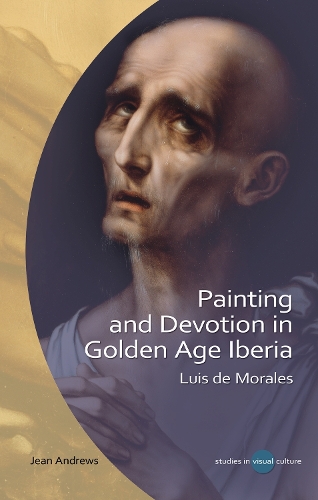
• It is the first monograph in English on Luis de Morales since the 1960s, which is essential for those who do not read Spanish because most of the literature on Morales is in Spanish
• It provides an extended consideration of the relationship between Morales’ paintings and the devotional practices of his times, using devotional writing aimed at a lay readership and sermons
• It highlights the importance of Portuguese cultural influences on his work and notes the significance of his work in Portugal as an influence on Portuguese painters and style.
Luis de Morales, known as El Divino because of his intensely religious subject matter, is the most significant and recognisable Spanish painter of the mid-sixteenth century, the high point of the Spanish and Portuguese counter-reformations. He spent almost his entire working life in the Spanish city of Badajoz, not far from the border with Portugal and did not travel outside of a small area around that city, covering both sides of the border. The social, political and cultural environment of Badajoz and its environs is crucial for a thorough understanding of his output. This book provides that context in detail, looking at literature and liturgical theatre, the situation of converted Jews and Muslims, the presence of Erasmianism, Lutheranism and Illuminism (Alumbradismo), devotional writing for lay people and proximity to the Braganca ducal palace in Portugal as a means of explaining this most enigmatic of painters.