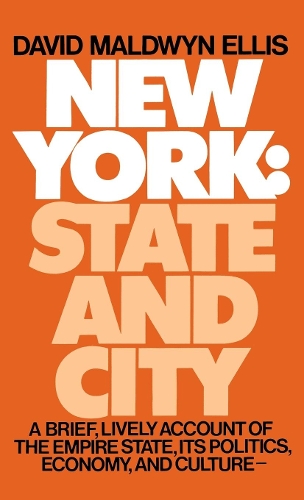
Книга New York: State and City
The remarkable diversity of New York State emerges in this panoramic overview written by a distinguished historian. David Maldwyn Ellis covers the highlights of the state's history and explores the major themes, enlivening his narrative by referring to local events and important personalities.
While emphasizing developments in the nineteenth and twentieth centuries, Mr. Ellis does not strictly adhere to chronological boundaries, sometimes moving backward and forward in time within a chapter to shed light on the rise and fall of agriculture, for example, or the development of commerce and industry. In broad strokes and in an informal style, he explores such topics as the endless parade of ethnic and social groups, the tradition of a regional literature begun by James Fenimore Cooper and Washington Irving, and the role of New York politicians in national politics.
Artfully interweaving New York City's history and that of the state, he succeeds in keeping the two in balance. Upstate New York receives its due when he discusses, among other subjects, the development of cities in the nineteenth century and the literary and cultural contributions of the region. The city's financial crisis, racial problems, and recurring difficulties with upstate are treated with understanding and good sense.
This refreshingly personal account will appeal to New Yorkers everywhere-in upstate cities like Buffalo, in small towns like Greene, and in the very center of Manhattan. It will also attract other readers who want to know more about the Empire State.
Revised and updated, the new edition of Tenure, Discrimination, and the Courts provides a lucid overview of the case law involving charges of discrimination made by faculty members against institutions of higher learning.
More and more faculty members are taking their cases to court, charging illegal employment discrimination in reappointment, tenure, and promotion decisions. How can individual faculty members defend themselves against unfair practices, and how can universities and colleges protect themselves from being named in employment discrimination lawsuits? What factors precipitate lawsuits? What position have the courts taken on intervention? What evidence do the courts consider persuasive in such cases?
Paying particular attention to equal employment opportunity legislation, Terry L. Leap discusses the results of more than twenty years of promotion and tenure litigation and provides a comprehensive chart of relevant cases. He also analyzes the rationale used by the courts in adjudicating these cases and suggests ways colleges and universities can reduce the likelihood of suits.