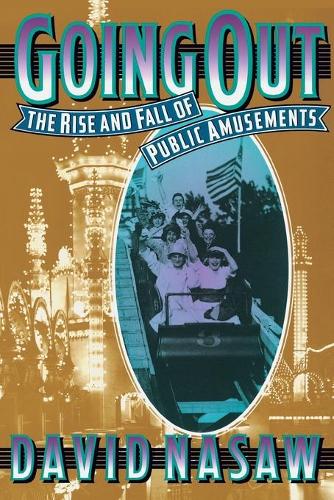
David Nasaw has written a sparkling social history of twentieth-century show business and of the new American public that assembled in the city's pleasure palaces, parks, theaters, nickelodeons, world's fair midways, and dance halls.
The new amusement centers welcomed women, men, and children, native-born and immigrant, rich, poor and middling. Only African Americans were excluded or segregated in the audience, though they were overrepresented in parodic form on stage. This stigmatization of the African American, Nasaw argues, was the glue that cemented an otherwise disparate audience, muting social distinctions among "whites," and creating a common national culture.
"No other book brings together so much material about so many different urban entertainment forms—and connects their history with a few simple and powerful overarching themes." - The Nation
"David Nasaw’s fine history of public amusements in urban America is such a welcome contribution to contemporary cultural debate… Nasaw unearths fascinating details about everything from the early history of the movies to pre–World War I dance crazes; and he raises fundamental questions about the web of connections joining commercial play, public space and cultural cohesion." - New York Times Book Review
"An effervescent social history." - The New Yorker