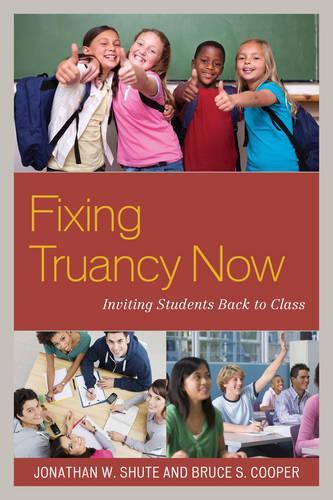
Книга Fixing Truancy Now: Inviting Students Back to Class
Truancy is a complex issue that continues to plague schools, and many blame truancy problems on students, parents, and socioeconomic factors. However, truancy is more than juvenile delinquents skipping school to have fun or be with friends. In Fixing Truancy Now: Inviting Students Back to Class, author Bruce S. Cooper posits that truancy is an indication that school curricula and pedagogy are not serving students’ needs as well as they should, especially when it comes to ethnic minority students and English language learners. This book explores: ·different types of truancy; ·major research in the field; ·and how teachers, school leaders, and students can work together in solving this problem. Ultimately this book offers hope that teachers, parents, and school leaders can find solutions to this multifaceted problem through collaborative problem-solving.
"Across the US, various institutional and societal barriers affect student success. Among the barriers are poverty, violence, and a lack of institutional resources. When it comes to absenteeism and truancy, many school organizations continue to offer only negative consequences to struggling students. In this book, Shute and Cooper examine the issue of truancy as it pertains to the changing student population—particularly ethnic minority students and English language learners—and educational challenges unique to our times. After providing a thorough review of truancy, data analyses, and a discussion of truancy's long-lasting effects, the authors guide readers through a thoughtful examination of past and current recommended practices. Recommended practices include making genuine efforts to foster collaboration between home and school and providing professional development to help educators become culturally competent. Although the text does not address every issue related to truancy, the discussion is focused and serves as an effective impetus to facilitate professional reflection. The book will be very useful for both current and future educators, as well as professionals in ancillary fields. Summing Up: Highly recommended. Lower-division undergraduates and above." - CHOICE