- Conduct dynamic social media campaign, running giveaways, offering discounts during publication week, and coordinating with key influencers.
- Pitch excerpts and reviews to wide array of publications including The Nation, The New York Times, The New Yorker, The New York Review of Books, The Los Angeles Review of Books, The Guardian, The Times Literary Supplement, The Baffler, Harper’s, Publishers Weekly, Kirkus Reviews, Literary Hub, Guernica, Bookforum, Book Riot, Africa Is a Country, Morning Star, and more.
- Pitch television, radio, and podcast interviews with author.
- Host series of events in conjunction with other Decolonize That! authors.
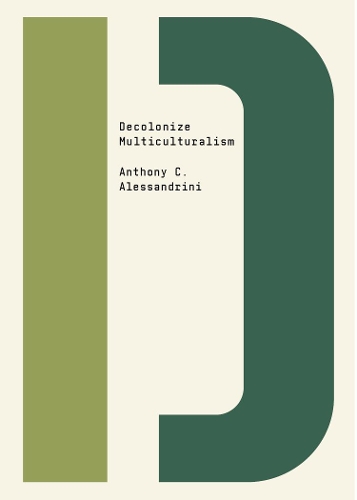
For those interested in continuing the struggle for decolonization, the word “multiculturalism” can seem like a sad joke. After all, institutionalized multiculturalism today is a muck of buzzwords, branding strategies, and virtue signaling that has nothing to do with real struggles against racism and colonialism. But Decolonize Multiculturalism unearths a buried history.
The book focuses on the student and youth movements of the 1960s and 1970s, inspired by global movements for decolonization and anti-racism, which aimed to fundamentally transform their society, as well as the fierce repression of these movements by the state, corporations, and university administrations. Part of the response has been sheer violence—campus policing, for example, only began in the ’70s, paving the way for the militarized campuses of today—with institutionalized multiculturalism acting like the velvet glove around the iron fist of state violence.
And yet today’s multiculturalism also contains residues of the original radical demands of the student and youth movements that it aims to repress: to open up the university, to wrench it from its settler colonial, white supremacist, and patriarchal capitalist origins, and to transform it into a place of radical democratic possibility.