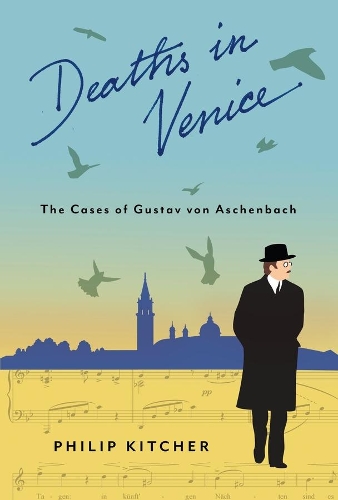
Книга Deaths in Venice: The Cases of Gustav von Aschenbach
Reading Thomas Mann's Death in Venice and its adaptations from a philosophical perspective, Kitcher considers the tension between social and ethical values and an artist's sensitivity to beauty. Each work asks whether a life devoted to self-sacrifice in the pursuit of lasting achievements can be sustained and whether the breakdown of discipline undercuts its worth. The novella helps us reflect on whether it is possible to achieve anything in full awareness of our finitude and in knowing our successes are always incomplete. Published in 1913, Thomas Mann's Death in Venice is one of the most widely read novellas in any language. In the 1970s, Benjamin Britten adapted it into an opera, and Luchino Visconti turned it into a successful film. Reading these works from a philosophical perspective, Philip Kitcher connects the predicament of the novella's central character to Western thought's most compelling questions. In Mann's story, author Gustav von Aschenbach becomes captivated by an adolescent boy, first seen on the lido in Venice, the eventual site of Aschenbach's own death. Mann works through central concerns about how to live, explored with equal intensity by his German predecessors, Schopenhauer and Nietzsche. Kitcher considers how Mann's, Britten's, and Visconti's treatments illuminate the tension between social and ethical values and an artist's sensitivity to beauty. Each work asks whether a life devoted to self-sacrifice in the pursuit of lasting achievements can be sustained and whether the breakdown of discipline undercuts its worth. Haunted by the prospect of his death, Aschenbach also helps us reflect on whether it is possible to achieve anything in full awareness of our finitude and in knowing our successes are always incomplete.
Published in 1913, Thomas Mann's Death in Venice is one of the most widely read novellas in any language. In the 1970s, Benjamin Britten adapted it into an opera, and Luchino Visconti turned it into a successful film. Reading these works from a philosophical perspective, Philip Kitcher connects the predicament of the novella's central character to Western thought's most compelling questions. In Mann's story, the author Gustav von Aschenbach becomes captivated by an adolescent boy, first seen on the lido in Venice, the eventual site of Aschenbach's own death. Mann works through central concerns about how to live, explored with equal intensity by his German predecessors, Schopenhauer and Nietzsche. Kitcher considers how Mann's, Britten's, and Visconti's treatments illuminate the tension between social and ethical values and an artist's sensitivity to beauty. Each work asks whether a life devoted to self-sacrifice in the pursuit of lasting achievements can be sustained and whether the breakdown of discipline undercuts its worth. Haunted by the prospect of his death, Aschenbach also helps us reflect on whether it is possible to achieve anything in full awareness of our finitude and in knowing our successes are always incomplete.