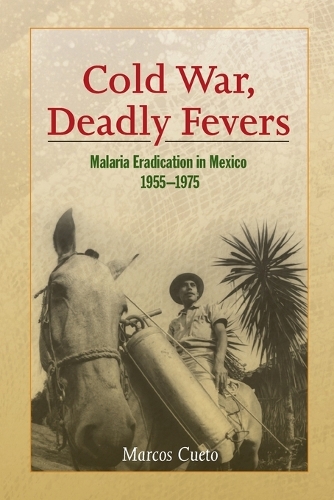
This work is very important. It is the first scholarly and book-length study of malaria eradication in Latin America that shows how campaigns actually played out on the ground and how they were framed by Cold War ideologies and imperatives. -- Alexandra Stern, Center for the History of Medicine, and Medical School, University of Michigan
In the mid-1950s, with planning and funding from the United States, Mexico embarked on an ambitious campaign to eradicate malaria, which was widespread and persistent. This new history explores the politics of that campaign. Marcos Cueto describes the international basis of the program, its national organization in Mexico, its local implementation by health practitioners and workers, and its reception among the population. Drawing on archives in the United States, Mexico, and Switzerland, he highlights the militant Cold War rhetoric of the founders and analyzes the mixed motives of participants at all levels. Following the story through the dwindling campaign in the late 1960s and early 1970s, Cueto raises questions relevant to today's international health campaigns against malaria, AIDS, and tuberculosis.