A GROUNDBREAKING WORK ON THE POWER OF PHOTOGRAPHY AS A VEHICLE FOR CIVIL PROTEST
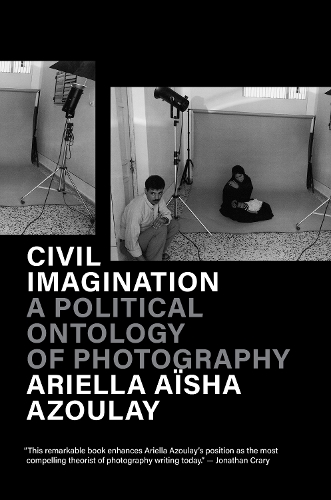
The photograph is not just an image but an event, one in the longer sequence of a photographic moment. Challenging given definitions of photography and of the political, Ariella Aïsha Azoulay calls for us to use photographs of political violence, such as the colonial regime in Palestine, to envision the political relationships that made each photograph possible, and to be able to intervene in them. In this way, we can build our capacity for "civil imagination": a way of seeing and imagining ourselves as part of the image rather than only as spectators.
The new edition includes a discussion of the legal battles to reclaim the images of the enslaved Papa Renty, held by Harvard University, rejecting the regime of photographs as private property, established by institutions that claim ownership of images seized with violence.
"This trenchant, perennially contemporary book valorizes powerful intersubjective relations enabled by photography, relations that exceed the strictures of imperial power. For Azoulay, photography's entangled temporalities enable a transformation of our sense of what persists, just as a collective practice of civil imagination reconstructs our apprehension of those with whom we unevenly share a lifeworld. Azoulay contradistinguishes spectatorship from the radical work of being a companion- a distinction that itself rewrites normative conceptions of the social work of seeing." - Stanley Wolukau-Wanambwa, author of Dark Mirrors
"Takes on the state of our contemporary visual culture and takes aim at the many received ideas that march under the banner of 'art and politics.'" - The Brooklyn Rail
"Both an extremely demanding text that attempts a new articulation of the category of the 'civil' and a sophisticated photographic essay . The result here is a powerful index of catastrophe and a meditation on the effects on both Israeli and Palestinian of an insidious and coercive colonial ideology." - Art Monthly