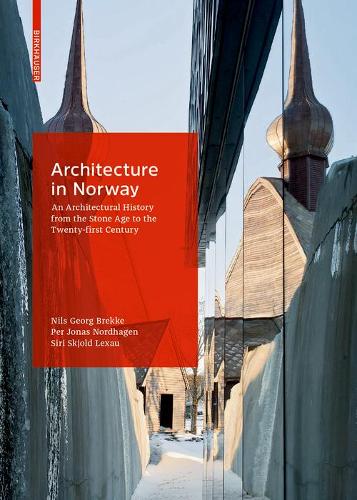
Книга Architecture in Norway: An Architectural History from the Stone Age to the Twenty-first Century
The book shows how architecture in Norway has been shaped by resource availability, changing social conditions and architectural style impulses through the centuries. The book is thoroughly illustrated with photos, ground plan drawings and isometric drawings. This outline of Norwegian architectural history provides the first comprehensive presentation of architecture in Norway, from tents and housing constructions in the Stone Age until contemporary architecture as the iconic, contemporary Opera House in Oslo. The book shows how Norwegian vernacular architecture has been shaped by natural conditions and resources, changing cultural situations and building traditions through the ages. By implementing a view on how the cultivated and built landscapes of Norway have been affected by human hands and creativity, the authors give a contextual and interdisciplinary presentation of Norwegian architecture history. The authors show how the technological basis of Iron Age and Medieval architecture was developed long before the construction of stave churches. In the first part of the book, recent research on building construction both in prehistoric times and during the middle ages are presented. After an updated review of the architecture of early post-medieval centuries the authors show how the repartition of land, industrialization and urbanization transforms the landscape of the late 19th century. Major changes take place into the 1900s during the breakthrough of modernism, with huge building activity for a new independent nation. The book also presents new research on the most recent architecture in Norway, in particular the architecture of the 1980s, -90s and 2000s. The relations between vernacular architecture and contemporary architecture of different periods are dealt with through continuing discussions among the authors.The book shows how architecture in Norway has been shaped by resource availability, changing social conditions and architectural style impulses through the centuries. The book is thoroughly illustrated with photos, ground plan drawings and isometric drawings. This outline of Norwegian architectural history provides the first comprehensive presentation of architecture in Norway, from tents and housing constructions in the Stone Age until contemporary architecture as the iconic, contemporary Opera House in Oslo. The book shows how Norwegian vernacular architecture has been shaped by natural conditions and resources, changing cultural situations and building traditions through the ages. By implementing a view on how the cultivated and built landscapes of Norway have been affected by human hands and creativity, the authors give a contextual and interdisciplinary presentation of Norwegian architecture history. The authors show how the technological basis of Iron Age and Medieval architecture was developed long before the construction of stave churches. In the first part of the book, recent research on building construction both in prehistoric times and during the middle ages are presented. After an updated review of the architecture of early post-medieval centuries the authors show how the repartition of land, industrialization and urbanization transforms the landscape of the late 19th century. Major changes take place into the 1900s during the breakthrough of modernism, with huge building activity for a new independent nation. The book also presents new research on the most recent architecture in Norway, in particular the architecture of the 1980s, -90s and 2000s. The relations between vernacular architecture and contemporary architecture of different periods are dealt with through continuing discussions among the authors.Über Jahrhunderte haben die regionale Verfügbarkeit von Ressourcen, sich verändernde gesellschaftliche Bedingungen und architektonische Stilimpulse die Architektur Norwegens geprägt. Basierend auf aktuellen Forschungen, legen die Autoren eine interdisziplinäre Darstellung der norwegischen Architekturgeschichte vor. Sie erzählen und analysieren deren Entwicklung: von den ersten Steinzeitbehausungen und den berühmten Stabkirchen über die Industrialisierungs- und Urbanisierungsphasen im letzten Jahrhundert bis hin zu den modernen Bauten des 21. Jahrhunderts wie etwa der Osloer Oper von Snøhetta. Intensiv diskutieren die Autoren auch die Zusammenhänge zwischen der ursprünglichen Volksarchitektur und der Entwicklung der Baukunst in verschiedenen Epochen und unter vielfältigen Einflüssen.