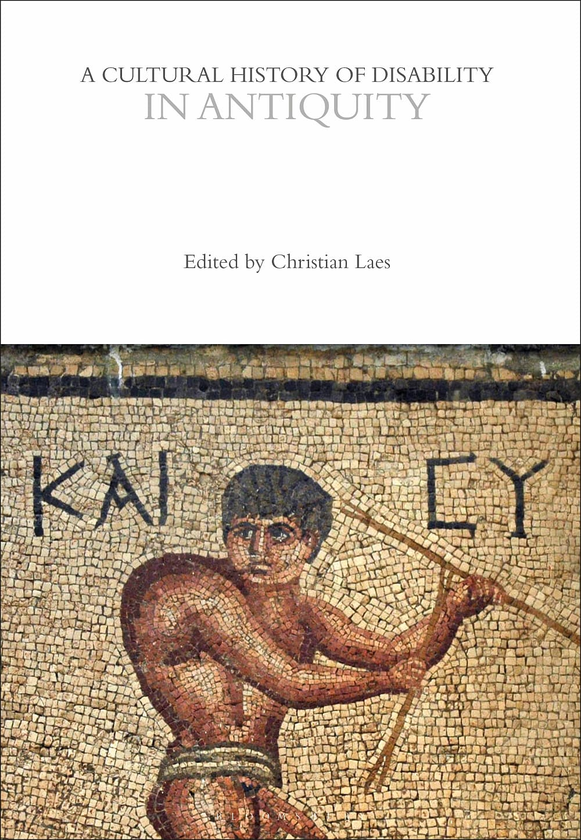
There was no word for and no concept of disability in Antiquity. Nonetheless, countless individuals experienced physical or mental conditions that put them at a disadvantage. Drawing on a wide variety of sources, from literary texts and legal sources to archaeological and iconographical evidence as well as comparative anthropology, this volume uniquely examines contexts and conditions of disability in the ancient world.
An essential resource for researchers, scholars, and students of history, literature, culture, and education, A Cultural History of Disability in Antiquity explores such themes and topics as: atypical bodies, mobility impairment, chronic pain and illness, blindness; deafness, speech, learning difficulties, and mental health.
Table of contents
Introduction 1–14
1. Atypical Bodies 15–30
2. Mobility Impairment 31–46
3. Chronic Pain and Illness 47–66
4. Blindness 67–84
5. Deafness 85–100
6. Speech 101–116
7. Learning Difficulties 117–136
8. Mental Health Issues 137–151
References 165–186