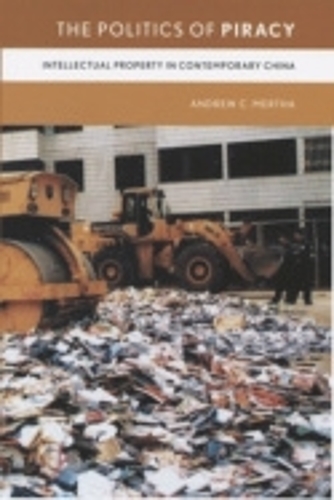
Книга The Politics of Piracy: Intellectual Property in Contemporary China
China is by far the world's leading producer of pirated goods—from films and books to clothing, from consumer electronics to aircraft parts. As China becomes a full participant in the international economy, its inability to enforce intellectual property rights is coming under escalating international scrutiny.
What is the impact, Andrew C. Mertha asks, of external pressure on China's enforcement of intellectual property? The conventional wisdom sees a simple correlation between greater pressure and better domestic compliance with international norms and declared national policy. Mertha's research tells a different story: external pressure may lead to formal agreements in Beijing, resulting in new laws and official regulations, but it is China's complex network of bureaucracies that decides actual policy and enforcement. The structure of the administrative apparatus that is supposed to protect intellectual property rights makes it possible to track variation in the effects of external pressure for different kinds of intellectual property.
Mertha shows that while the sustained pressure of state-to-state negotiations has shaped China's patent and copyright laws, it has had little direct impact on the enforcement of those laws. By contrast, sustained pressure from inside China, on the part of foreign trademark-owners and private investigation companies in their employ, provides a far greater rate of trademark enforcement and spurs action from anti-counterfeiting agencies.
China is by far the world's leading producer of pirated goods—from films and books to clothing, from consumer electronics to aircraft parts. As China becomes a full participant in the international economy, its inability to enforce intellectual property rights is coming under escalating international scrutiny. What is the impact, Andrew C. Mertha asks, of external pressure on China's enforcement of intellectual property? The conventional wisdom sees a simple correlation between greater pressure and better domestic compliance with international norms and declared national policy. Mertha's research tells a different story: external pressure may lead to formal agreements in Beijing, resulting in new laws and official regulations, but it is China's complex network of bureaucracies that decides actual policy and enforcement. The structure of the administrative apparatus that is supposed to protect intellectual property rights makes it possible to track variation in the effects of external pressure for different kinds of intellectual property.Mertha shows that while the sustained pressure of state-to-state negotiations has shaped China's patent and copyright laws, it has had little direct impact on the enforcement of those laws. By contrast, sustained pressure from inside China, on the part of foreign trademark-owners and private investigation companies in their employ, provides a far greater rate of trademark enforcement and spurs action from anti-counterfeiting agencies.
"
Mertha analyzes the impact of external political pressure on the enforcement of intellectual property rights in China.... A useful volume for anyone interested in the actual workings of the governmental bureaucracy in China, as well as for those who want to gain insights into the practical aspects of IPR enforcement. Highly recommended.
" - Choice