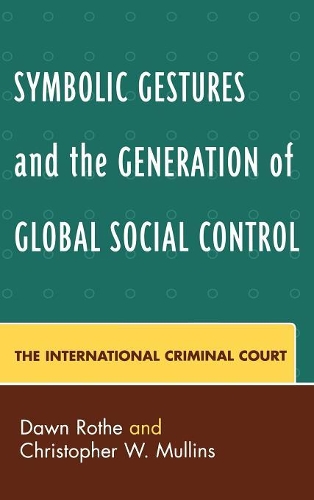
The recently established International Criminal Court (ICC) has been touted as a major breakthrough in the potential control of genocide, terrorism, and war crimes. This book explores the historical origins of the court and provides and examination of the basic structure and functioning of the court. Rothe and Mullins offer a detailed critique of procedural, conceptual, and practical elements of the ICC through the lens of critical criminological theory and research and identify several problems with the design and proposed implementation of the ICC. The theoretical analysis employed shows how the Court is but a small step forward in the control of crimes by states and state leaders due to its limited scope., myopic conception of crime, jurisdictional scope, and minimal compulsory power. Certain to appeal to criminology and international studies scholars, this volume strives to outline suggestions for strengthening the court.
"It is a very readable and well-written introduction to the question of what international criiminal justice is after all about....The authors also provide a refreshing look into the American criminological community's soul when it comes to the attitude of the current US administration and the population in general." - International Criminal Law Review