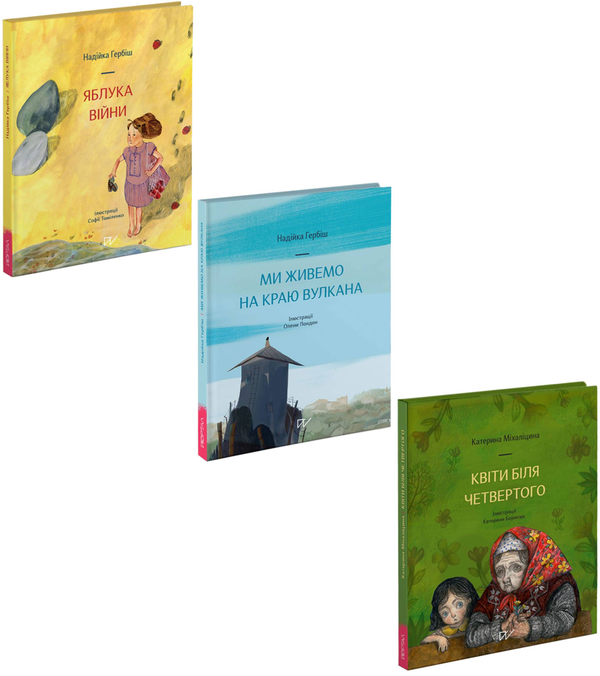













Book Life Goes On (3 Books Collection Set)
This is an automatically translated description
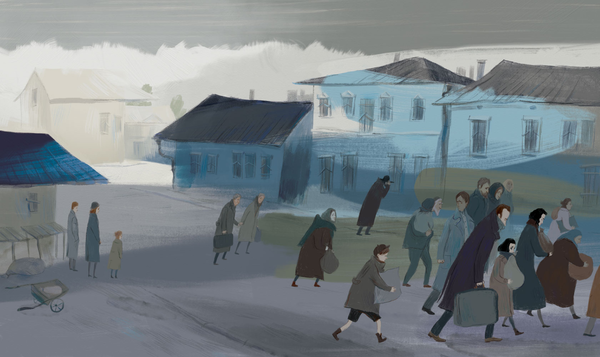
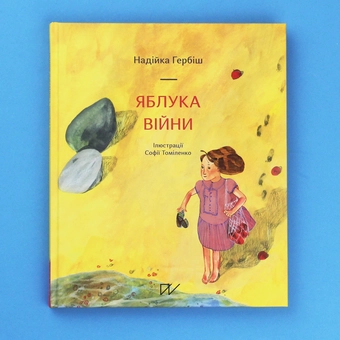
Book 1: Nadiya Gerbysh. Apples of War
Nadiia Herbysh's tender, touching, and multifaceted book Apples of War raises several important and at the same time difficult topics at once: forced emigration, defeat in the liberation war, post-traumatic stress disorder, family relationships, and how a child experiences family troubles. Despite the seriousness of the issues, the writer manages to create a sense of home, warmth and anticipation of changes for the better that will certainly come.
While reading, you will feel how emotions will change each other - from emotion to sadness, from a light smile to joy. Don't be surprised by such a wide range of them - the author really feels people subtly and, moving the threads of words, hits the heart.

The Portal's publications are a "first aid book" for parents and teachers.
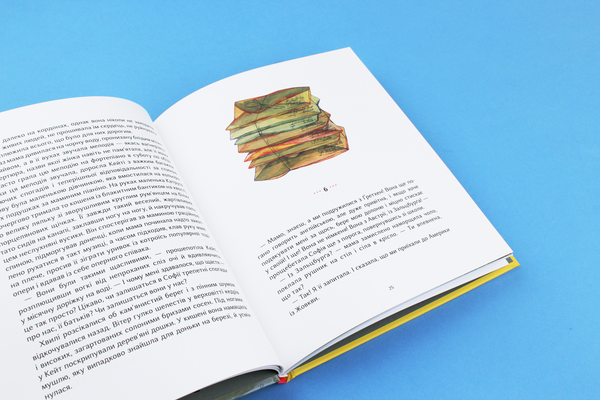
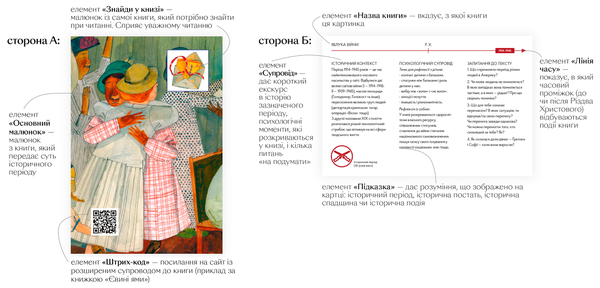
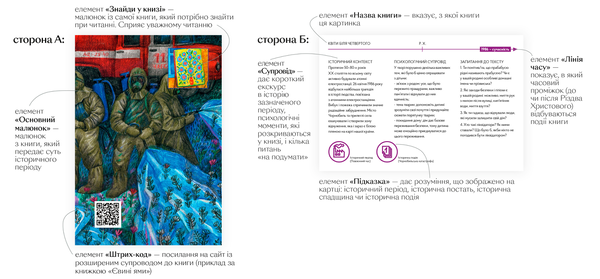
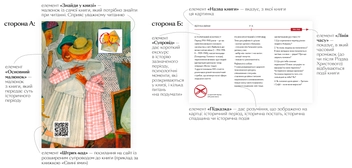
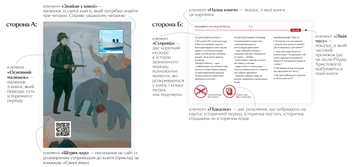
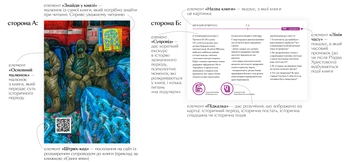
The uniqueness of the Portal's books — is in a special system that helps adults find the right words to discuss psychological issues with children and understand the historical context more deeply. For each printed edition, a team of educators, psychologists, and historians has developed detailed backgrounder with QR codes and game bookmarks containing

The Portal's books are created in a series that form a holistic historical picture for children. There are many tragic pages in world and Ukrainian history that cannot be ignored. But it is difficult to talk about them with children without special training. You need professional support, an understanding of how to conduct a conversation so as not to cause trauma, and answers to questions that the child will have many. This is exactly what the Life Goes On series helps parents and teachers to do.
The books in this series raise the topics of the Holocaust, emigration, post-traumatic stress disorder, eviction from one's own home as a result of the Chernobyl tragedy, and others. Through fiction, the writers manage to convey horrors by depicting the relevant atmosphere, through the plot and the experiences and dialogues of the characters, rather than directly describing them. The work of psychologists with the texts of this particular series is the most delicate of all the Portal's, as it is important to weigh every word, every shade of meaning, so as not to hurt or traumatise the children's psyche.
So far, in addition to «Apples of War», this series has released «We Live on the Edge of a Volcano&by Nadiia Gerbish and «Flowers by the Fourth» by Kateryna Mikhalitsyna. The series will be gradually updated with new books.
The Portal's edition is an interesting storytelling based on a scientifically verified historical background. Your children will become interested in the history and culture of Ukraine and the world without rote learning - in adventures and fascinating stories!

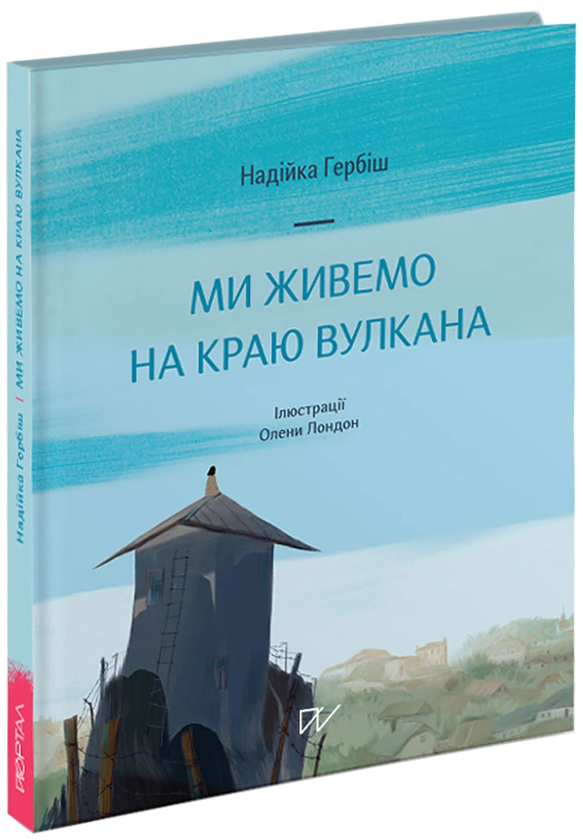
Book 2. Nadiya Gerbysh. We live on the edge of a volcano
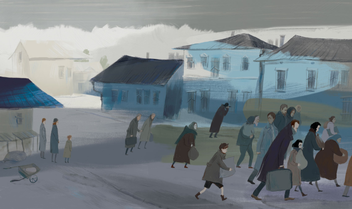
Do we need to talk to children about the Holocaust? Writer Nadia Gerbysh answers this question in the affirmative with her book We Live on the Edge of a Volcano. This difficult and skilfully written text will tell children about the tragic page of world history without embellishment, without flirting with readers, but also without trauma.
Some of the heroes of this story will die to give others a chance to live. It is painful, but inevitable. What happened once, we have to tell the next generations so convincingly that they never repeat the mistakes of the past. This is a book about darkness, fear, grief - and about hope and new life, which ultimately triumphs.


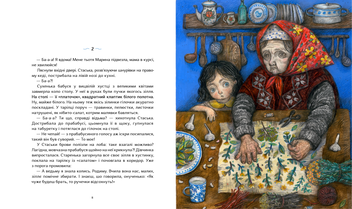
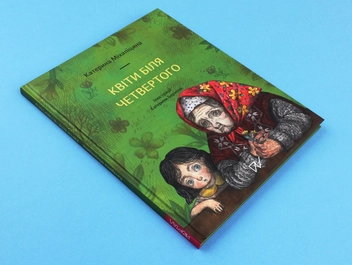
Book 3. Ekaterina Mikhalitsyna. Flowers at the Fourth
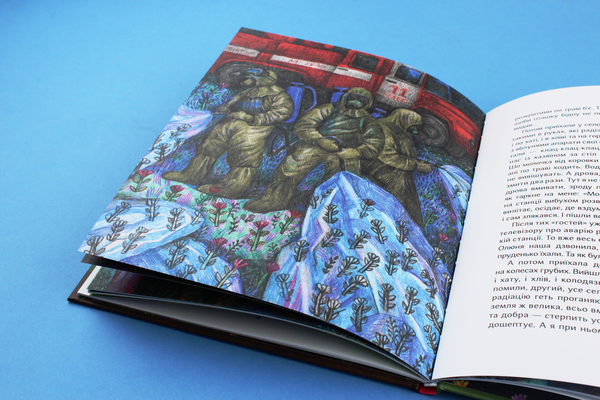
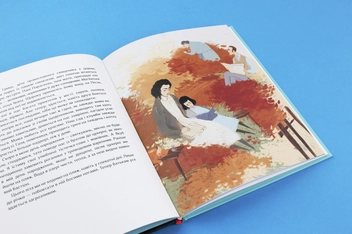
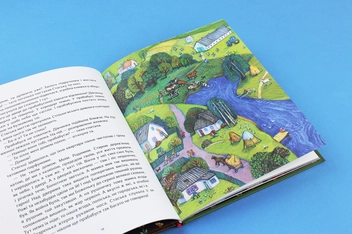
What is the great-grandmother longing for, looking out of the window of a high-rise building? She left her home forever somewhere in the blooming Polissia. The catastrophe took away not only her home, but also the life of her loved one - like so many other lives. She gathers herbs that smell like her native land and cherishes the memories she will share with her great-granddaughter. The girl is as gifted as her fellow countrywoman from the Chornobyl zone, a representative of naïve painting, Maria Prymachenko, whose paintings were once admired by Picasso. The artist, unlike the heroine's grandmother, remained in an abandoned village near the reactor until the end of her life.


