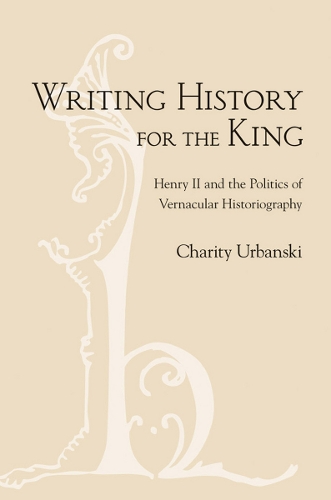
Книга Writing History for the King: Henry II and the Politics of Vernacular Historiography
Writing History for the King is at once a reassessment of the reign of Henry II of England (1133–1189) and an original contribution to our understanding of the rise of vernacular historiography in the high Middle Ages. Charity Urbanski focuses on two dynastic histories commissioned by Henry: Wace’s Roman de Rou (c. 1160–1174) and Benoît de Sainte-Maure’s Chronique des ducs de Normandie (c. 1174–1189). In both cases, Henry adopted the new genre of vernacular historical writing in Old French verse in an effort to disseminate a royalist version of the past that would help secure a grip on power for himself and his children. Wace was the first to be commissioned, but in 1174 the king abruptly fired him, turning the task over to Benoît de Sainte-Maure.
Urbanski examines these histories as part of a single enterprise intended to cement the king’s authority by enhancing the prestige of Henry II’s dynasty. In a close reading of Wace’s Rou, she shows that it presented a less than flattering picture of Henry’s predecessors, in effect challenging his policies and casting a shadow over the legitimacy of his rule. Benoît de Sainte-Maure’s Chronique, in contrast, mounted a staunchly royalist defense of Anglo-Norman kingship. Urbanski reads both works in the context of Henry’s reign, arguing that as part of his drive to curb baronial power he sought a history that would memorialize his dynasty and solidify its claim to England and Normandy.
Writing History for the King is at once a reassessment of the reign of Henry II of England (1133–1189) and an original contribution to our understanding of the rise of vernacular historiography in the high Middle Ages. Charity Urbanski focuses on two dynastic histories commissioned by Henry: Wace's Roman de Rou (c. 1160–1174) and Benoît de Sainte-Maure’s Chronique des ducs de Normandie (c. 1174–1189). In both cases, Henry adopted the new genre of vernacular historical writing in Old French verse in an effort to disseminate a royalist version of the past that would help secure a grip on power for himself and his children. Wace was the first to be commissioned, but in 1174 the king abruptly fired him, turning the task over to Benoît de Sainte-Maure.Urbanski examines these histories as part of a single enterprise intended to cement the king’s authority by enhancing the prestige of Henry II’s dynasty. In a close reading of Wace’s Rou, she shows that it presented a less than flattering picture of Henry’s predecessors, in effect challenging his policies and casting a shadow over the legitimacy of his rule. Benoît de Sainte-Maure’s Chronique, in contrast, mounted a staunchly royalist defense of Anglo-Norman kingship. Urbanski reads both works in the context of Henry’s reign, arguing that as part of his drive to curb baronial power he sought a history that would memorialize his dynasty and solidify its claim to England and Normandy.
"
Urbanski's Writing History for the Kingis a shining example of the kind of work more researchers needs to do in the primary texts that underpin medieval historical narratives—a dedicated, nuanced, and insightful examination of the writing of vernacular history during the reign of Henry II.
" - Comitatus