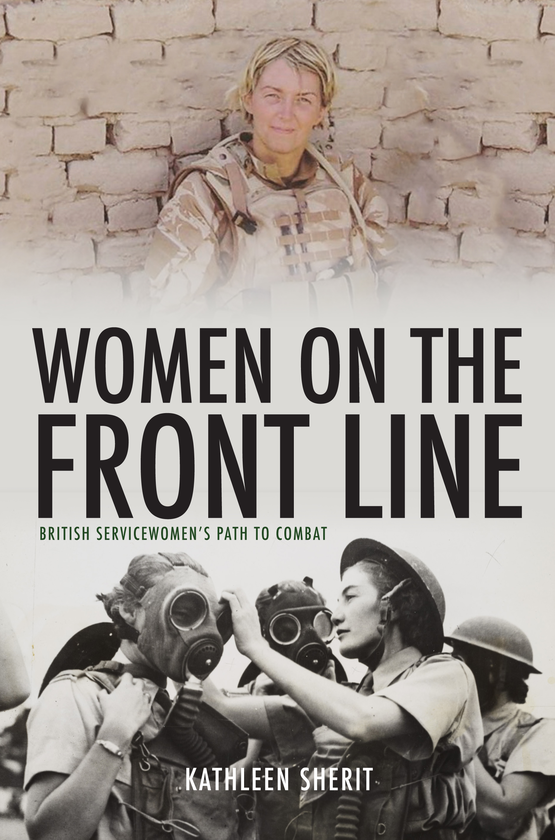
Книга Women on the Front Line
The non-combatant principle governed the number of women that could be recruited, roles they could be trained for, postings, promotion chances, pay and pensions. Being non-combatant also affected women’s status in the eyes of servicemen as they could not fulfil the complete range of duties that fell to men. But women’s careers were not only blighted by the principle that they were non-combatants. The second major obstacle was the treatment of married women and those who became pregnant. This book brings out the growing gulf between employment rights and armed forces’ policies. The armed forces’ assertion that they had a right to be different from society began to crumble. This made a crucial difference to servicewomen who acquired the opportunity to continue with their careers if they chose. Confronting policies on women’s employment led to recognition of wider issues such as treatment of ethnic minorities, bullying and sexuality.
- What women were allowed to do, what roles they were excluded from and how those barriers were eroded.
- How the women’s Services constrained the impact of female leadership
- How the armed forces learned to cope with marriage and motherhood.
- About champions and opponents of change and women who grasped new opportunities.
- By a former servicewoman with first-hand experience.