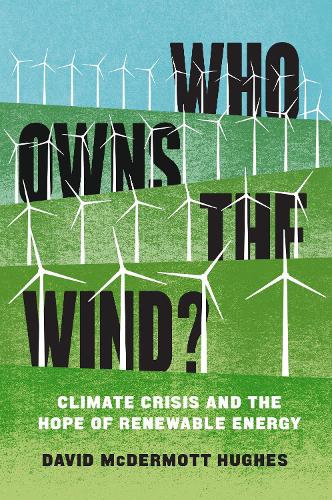
Why the wind, and energy it produces, should not be private property
The energy transition has begun. To succeed - to replace fossil fuels with wind and solar power - that process must be fair. Otherwise, mounting popular protest against wind farms will prolong carbon pollution and deepen the climate crisis. David Hughes examines that anti-industrial, anti-corporate resistance, drawing insights from a Spanish village surrounded by turbines. In the lives of these neighbours - freighted with centuries of exploitation - clean power and social justice fit together only awkwardly. Proposals for a green economy, the Green New Deal, or Europe's Green Deal require more effort. We must rethink aesthetics, livelihood, property, and, most essentially, the private nature of wind resources. Ultimately, the energy transition will be public and just, or it may not be at all
"Eloquent and incisive, this is an important contribution to climate change discourse." - Publishers Weekly
"As radical as the most ambitious of the green revolution's plans." - Times Literary Supplement
"Fascinating, highly revealing and sometimes poetic ... a joy to read." - Peace News
"Who Owns the Wind provides a fantastic account of a tense relationship between a wind farm and a 200-person village...The anthropologist's narration is rich and smooth, carefully untangling the reasons behind the inhabitant's varying postures toward the wind farm and reflecting on where these stances fit in the urgent need for a transition to clean energy." - Journal of Agrarian Change