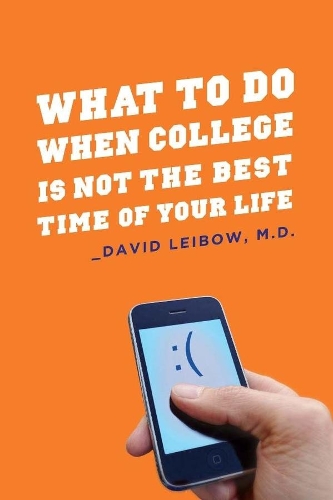
Книга What to Do When College Is Not the Best Time of Your Life
David Leibow's book is well and engagingly written, speaking directly to students and, later, to parents. His comments are wise and appropriately reassuring, and he normalizes students' problems, gently confronts shame, and places their difficulties in perspective. -- Paul Grayson, coeditor of College Mental Health Practice and coauthor of Beating the College Blues What to Do When College is Not the Best Time of Your Life offers students and their parents a safe and private transition space to discuss problems and restore confidence and hope. Fun, easy to read, and extensive. -- Helene Keable, Mental Health Services, Columbia University Medical Campus If you're a college student or the parent of a college student you should read this book. It will help prevent small problems from getting big and big problems from ruining your college experience. What to Do When College Is Not the Best Time of Your Life represents the distilled wisdom of David Leibow's thirty years helping young people regain confidence and achieve their goals. It's full of hope, humor, and practical advice. -- Carol Bernstein, New York University School of Medicine and president of the American Psychiatric Association
If college is supposed to be the best time of our lives, why are so many students unhappy? What causes a well-adjusted and academically successful high school graduate to suddenly flounder when he reaches college? Why might she start to skip classes, binge on alcohol, or engage in unsatisfying hook-ups? Where does the anger and self-doubt come from, and why is it directed at loving parents or the student himself? Drawing on years of experience treating college-age youth, David Leibow, M.D. provides fresh, honest, and realistic answers to these and other important questions. Instead of adventure, liberation, and a triumphant march into adulthood, many college students experience shame, regression, and social and academic failure. Yet by understanding themselves better and making reasonable changes, students can grow from these challenges and turn bad choices into wiser personal and educational decisions. Leibow focuses on issues common to college settings-anxiety and depression, drug and alcohol abuse, laziness and work avoidance, body-image problems, and unhealthy relationships-detailing coping strategies and professional resources that best respond to each crisis. His intimate knowledge of campus life and its unique challenges adds credibility and weight to his advice. Reorienting the expectations of parents and students while providing the tools for overcoming a variety of hurdles, Leibow shows how college can still become one of the best times of our lives.