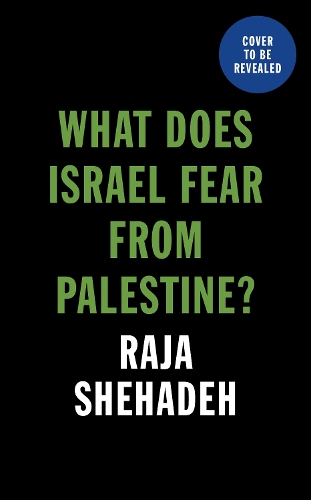
A searing reflection on the failures of Israel to treat Palestine and Palestinians as equals, as partners on the road to peace instead of genocide.
When the state of Israel was formed in 1948, it precipitated the Nakba or 'disaster': the displacement of the Palestine nation, creating fracture-lines which continue to erupt in violent and tragic ways today.
In the years that followed, while the Berlin Wall crumbled and South Africa abolished apartheid, the Israeli government rejected every opportunity for reconciliation with Palestine. But Raja Shehadeh, human rights lawyer and Palestine's greatest living writer, suggests that this does not mean the two nations cannot work together as partners on the road to peace, not genocide.
In graceful, devastatingly observed prose, this is a fresh perspective for a time of great need.
"An attempt to understand Israeli actions in Gaza, and a lament that the Palestinian story is still not properly heard ... [Shehadeh's] searching analysis offers insights for readers coming new to the situation and others who wish to face it afresh" - Guardian
"Measured, lawyerly but always very readable... As the book comes to a close, as if summoning a last reserve of strength, [Shehadeh] manages a message of hope. Perhaps, he writes, the utter nightmarishness of the past few months may achieve what decades of war and negotiation have failed to resolve: a lasting peace" - Observer
"Elegantly written ... suffused with anger without descending into bitterness" - Irish Times
"Praise for Raja Shehadeh: In his moral clarity and baring of the heart, his self-questioning and insistence on focusing on the experience of the individual within the storms of nationalist myth and hubris, Shehadeh recalls writers such as Ghassan Kanafani and Primo Levi" - New York Times
"Palestine's greatest prose writer" - Observer
"Luminously clear-sighted ... By turns lyrical, witty and shrewd, Shehadeh is an excellent companion" - Prospect