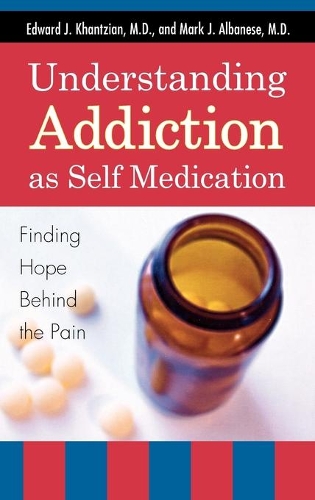
Книга Understanding Addiction as Self Medication: Finding Hope Behind the Pain
Addictive behaviors beg for an informed explanation to guide patients, families, students, and clinicians through the maddening and often incomprehensible nature of the addictions. Too often addiction is perceived to be merely a moral weakness or purely a brain disease, ignoring the deep personal pain that can permeate the lives of the addicted. But taking an honest look at the underlying emotional or mental issues can more clearly illuminate not only the causes of the addiction, but also the cure. Doctors Edward J. Khantzian and Mark J. Albanese, leading researchers in the field of addiction, see addictions primarily as a kind of self medication—a self medication that can temporarily soothe anxiety or pain, but that ultimately wreaks havoc on the lives and health of both the addicted and their loved ones. With practical advice, compelling case studies, and nuanced theory drawn from their years in clinical practice, Doctors Khantzian and Albanese look at the core reasons behind many addictions and provide a pathway to hope. Understanding Addiction as Self Medication looks at a range of addictions, including alcohol and substance abuse, and clearly explains how to understand other addictive behaviors through the lens of the Self Medication Hypothesis. This book provides a much-needed guide to both understanding addictions and working towards healing.
"Recommended." - CHOICE, April 2009
"Understanding Addiction as Self-Medication is a worthwhile addition to the reading lists of counselors at all levels of experience....Understanding Addiction as Self-Medication pulls together a credible, non-judgmental theory of addiction." - Professional Counselor, April 2009
"Understanding Addiction is an easy and often engaging read and will primarily be useful for patients, families, and perhaps addiction therapists . . . [The authors] emphasize both the importance of other contributions to addictive disorders, such as genetic, social, and family influences, and the need to utilize a wide range of treatment approaches, including agonist therapies and other medications . . . Perhaps the most important contribution of Understanding Addiction is to remind us of the distinct experience, personal history, and intense suffering of the addicted patient." - Am J Pyschiatry, November 2009