'Really engaging ... the equivalent of a series of refreshing walks outside... personal, gentle yet buzzing with surprising connections and brilliant cross-references, and shot through with tender delights and unexpected revelations' RICHARD HOLMES
'Consistently and continuously compelling . . . an invigoration and a pleasure to read, and reread, and return to' PROFESSOR ALAN RIACH
'Wonderful... Fiona Stafford unpeels layers and layers of Britain's landscape to reveal the stories within. A fascinating compendium of people and places and how they endlessly interact to change each other' PHILIP MARSDEN
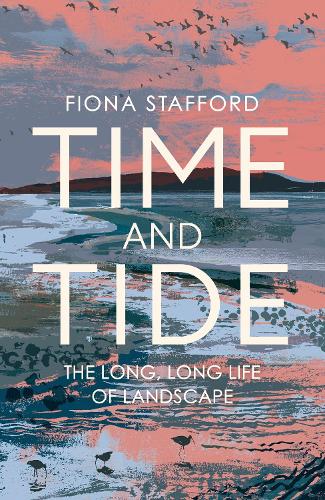
A village waits at the bottom of a reservoir. A monkey puzzle tree bristles in a suburban garden. A skein of wild geese fly over a rusty rail viaduct. The vast inland sea that awed John Clare has become fields.
Chapter by fascinating chapter, alive with literary, local, and her own family history, Fiona Stafford reveals the forces, both natural and human, which transform places. Swooping along coastlines, through forests and across fens, following in the footsteps of Burns and Keats, Celia Fiennes and Charles Dickens, William and Dorothy Wordsworth, Noel Coward and Compton Mackenzie, join her, time-travelling deep into the stories of our Isles.
From red squirrels to brick vistas, from botanical gardens to hot springs, the landscapes of Britain are full of delights and surprises. Chance discoveries of rare species, shipwrecks and unlikely ruins, curious trees and startling towers, weird caves and disused airfields, or even just baffling placenames offer ways into unexpected histories and hidden lives. The clues to the past are all round us - Time and Tide will help you find them.
"Consistently and continuously engaging, indeed compelling . . . an invigoration to read and a pleasure to hold, in the hands as in the memory. The book initiates and extends a new genre, where autobiographical components exemplify an investment of personal commitment, while scholarly objectivity complements an emotional trust in a community of sympathy. It's a pleasure to read, and reread, and return to, and give as a gift to all friends whose values might be shared in celebration." - Professor Alan Riach
"Engaging . . . personal, gentle, meandering . . . Yet buzzing with surprising connections and brilliant cross-references. Shot through with tender delights and unexpected revelations!" - Richard Holmes
"Fiona Stafford unpeels layers and layers of Britain's landscape to reveal the stories within. A fascinating compendium of people and places and how they endlessly interact to change each other." - Philip Marsden
"Oxford English professor Stafford's acclaimed The Long, Long Life of Trees was a Sunday Times Nature Book of the Year. Her literary gifts are once again on display in this enchanting exploration of the ways in which the land and skyscape of the UK are constantly shifting. Following in the footsteps of John Keats, Celia Fiennes and Wilkie Collins, we journey with her from the Fens to the Humber, and from Cornwall to the north coast of Ireland, marvelling at red kites and red squirrels, monkey puzzle trees and the resilience of nature." - THE BOOKSELLER, Editor’s Choice for February
"Praise for The Long, Long Life of Trees" - :
"Elegant, engaging, impeccably written and packed with interest" - Sunday Times, Nature Book of the Year
"A leisurely, lyrical reflection on seventeen different species, from apple to yew, with special emphasis on the role that each has played in art and literature, myth and legend, medicine and technology" - Wall Street Journal
"It's impossible to imagine a better book on the subject than this. It's written with verve, pace, genuine wit and an inspired eye for the quirky fact or anecdote. Even those readers who don't think they're interested in trees will find that they are" - Daily Mail
"Fiona Stafford weaves together tales of their place in myth, painting, religion and literature, enlivened with her personal sense of wonder. This is a timely book; our trees face a growing threat from diseases that could leave gaps in our cultural landscape, as well as our woodlands and hedgerows" - BBC Wildlife