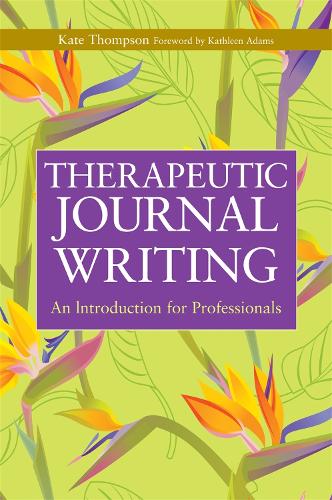
Книга Therapeutic Journal Writing: An Introduction for Professionals
A book that introduces the theory and practice of therapeutic journal writing for counsellors and therapists
Writing a journal is not just about keeping a record of daily events - journal writing provides a unique therapeutic opportunity for facilitating healing and growth.
The author of this book guides the reader through developing journal writing to use as a therapeutic tool. Keeping a journal can help the writer to develop a better understanding of themselves, their relationships and the world around them, as well as improve skills of problem-solving, decision-making and planning. As such, journal writing can be a powerful complement to verbal therapy, offering an effective and affordable way of extending support to troubled clients. The book includes advice on working with individuals, facilitating a therapeutic writing group, proposed clinical applications, practical techniques, useful journal prompts, exercises and case vignettes.
This clear guide to the basics of journaling and its development as a therapeutic medium will be a valuable handbook for therapists, health and social care practitioners, teachers, life coaches, writing facilitators and any professional seeking personal development in themselves or their clients.
"The practice of therapeutic journal writing is a very practical tool for: health professionals, teachers, lecturers, social workers and writing tutors. It is also recommended for counsellors and life coaches... Therapeutic journal writing and other forms of expressive writing may, therefore, well be seen as part of occupational therapy, rather than as a separate discipline... Kate Thompson, the author, offers many techniques for therapeutic journal writing...While the practice contexts for journal writing include education, health and social care and creative and cultural settings, it is up to the reader to create opportunities for writing groups in each individual work setting. Perhaps the best scope is in rehabilitation centres and hostels, elderly day care, or other settings where people are given time to think with supportive facilitators... Practitioners who develop therapeutic writing skills can make an important contribution to rehabilitation of patients with physical symptoms, chronic illness, survivors of childhood sexual abuse, family relationship issues and bereavement. This is, perhaps, one of the best ways of practising person-centred care, which could be a cost-saving exercise in the context of preventive medical and social care...offers (...) invaluable information for health professionals, teachers, lecturers and writing tutors." - European Journal for Person Centered Healthcare