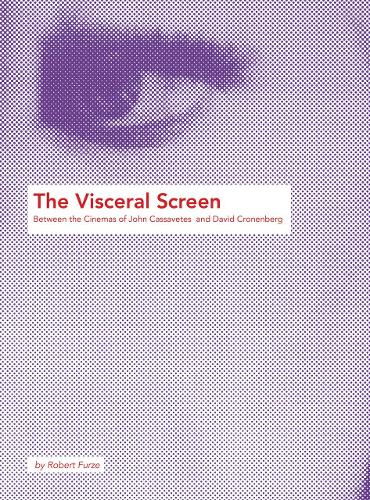
Книга The Visceral Screen: Between the Cinemas of John Cassavetes and David Cronenberg
Narrative and spectacle describe two extremes of film content, but the oeuvres of John Cassavetes and David Cronenberg resist such categorization. Instead, Robert Furze argues, the defining characteristic of Cassavetes and Cronenberg’s respective approaches is that of 'visceral' cinema – a term that illustrates the anxiety these filmmakers provoke in their audiences. Cassavetes demonstrates this through disregard for plot structure and character coherence, while Cronenberg’s focus is on graphic depictions of mutilation, extreme forms of bodily transformation and violence. The Visceral Screen sets out to articulate alternative ways of appreciating film aesthetics outside the narrative/spectacle continuum. Cassavetes and Cronenberg are established auteurs, but the elements of their films that appear to be barriers to their artistic status – for example, slipshod method and lingering violence or pre-digital special effects – are reassessed in The Visceral Screen as other indicators of creativity. In this way, Furze encourages debates of what makes a film good or bad – beyond how much it is seen to adhere to particular, established models of filmmaking.
Narrative and spectacle describe two extremes of film content, but the oeuvres of John Cassavetes and David Cronenberg resist such categorization. Instead, Robert Furze argues, the defining characteristic of these directors’ respective approaches is that of “visceral” cinema—a term that illustrates the anxiety these filmmakers provoke in their audiences. Cassavetes demonstrates this through disregard for plot structure and character coherence, while Cronenberg's focus is on graphic depictions of mutilation, extreme forms of bodily transformation, and violence.The Visceral Screen sets out to articulate alternative ways of appreciating film aesthetics outside the narrative/spectacle continuum. Cassavetes and Cronenberg are established auteurs, but the elements of their films that appear to be barriers to their artistic status—for example, slipshod method and lingering violence or pre-digital special effects—are reassessed here as other indicators of creativity. In this way, Furze encourages debates of what makes a film good or bad—beyond how much it is seen to adhere to particular, established models of filmmaking.