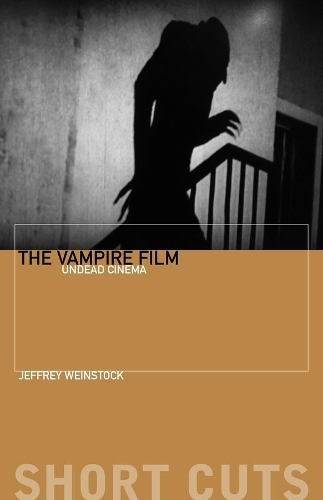
Jeffrey Weinstock's analysis of vampire cinema is challenging, elegant and persuasive. On the basis of a large number of critical film readings, the author assesses vampire cinema's disturbing relation to sex, technology, and otherness. Vampire films, Weinstock demonstrates, simultaneously screen cultural anxieties surrounding these key themes and invert them. The well-known tropes of the lesbian vampire, the vampiric mediality of film, and the monstrous otherness of the vampire all come back from the undead to haunt the reader of this book. Ambitious in scope yet lucid in structure, Weinstock's The Vampire Film will prove an indispensable resource for vampire researchers, students and lovers alike. -- Isabella van Elferen, Utrecht University
This introductory volume offers an elegant analysis of the enduring appeal of the cinematic vampire. From Georges Melies' early cinematic experiments to Twilight and Let the Right One In, the history of vampires in cinema can be organized by a handful of governing principles that help make sense of this movie monster's remarkable fecundity. Among these principles are that the cinematic vampire is invariably about sex and the vexed human relationship with technology, and that the vampire is always an overdetermined body condensing what a culture considers other. This volume includes in-depth studies of films including Powell's A Fool There Was, Franco's Vampyros Lesbos, Cronenberg's Rabid, Kumel's Daughters of Darkness, and Merhige's Shadow of the Vampire.