Nearly Everything We Think We Know about Greek Tragedy Is Wrong. This Is Why.
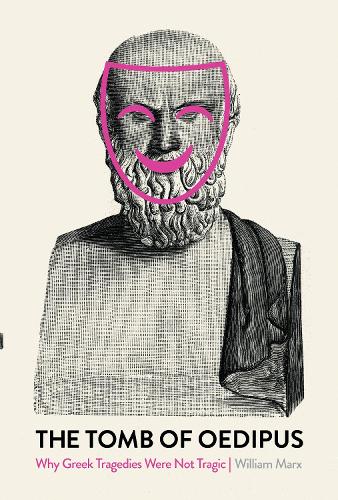
If Greek tragedies are meant to be so tragic, why do they so often end so well? Here starts the story of a long and incredible misunderstanding. Out of the hundreds of tragedies that were performed, only 32 were preserved in full. Who chose them and why? Why are the lost ones never taken into account? This extremely unusual scholarly book tells us an Umberto Eco-like story about the lost tragedies. By arguing that they would have given a radically different picture, William Marx makes us think in completely new ways about one of the major achievements of Western culture. In this very readable, stimulating, lively, and even sometimes funny book, he explores parallels with Japanese theatre, resolves the enigma of catharsis, sheds a new light on psychoanalysis. In so doing, he tells also the story of the misreadings of our modernity, which disconnected art from the body, the place, and gods. Two centuries ago philosophers transformed Greek tragedies into an ideal archetype, now they want to read them as self-help handbooks, but all are equally wrong: Greek tragedy is definitely not what you think, and we may never understand it, but this makes it matter all the more to us.
"This is an immensely enjoyable book on Athenian tragedy, written in lyrical prose and elegiac mode." - The Classical Review
"Thus, from one book to the other, William Marx proposes a research path that will enjoy a bright future: "Catching literature by using what escapes literature."" - Le Monde
"As a faraway, but irrevocable echo of Duras' "You saw nothing in Hiroshima", the reception of Greek tragedy makes with The Tomb of Oedipus its definite entrance into the postmodern era." - Critique d’art
"Marx, a comparative literature professor at the Collège de France, refreshes ancient literature and the concept of tragedy in this intelligent work of criticism....Elliott's translation is smooth and elegant, matching the sophistication of Marx's thought as he reinvigorates Greek tragedy." - Publishers Weekly