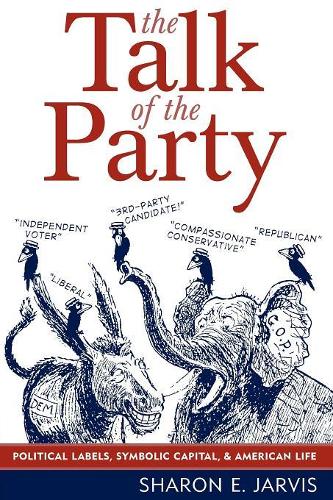
How did "liberal" become a dirty word in American politics? How did "compassionate conservative" become a viable campaign theme? When did the "independent voter" become the most sought-after prize in modern campaigns? And why haven't "third-party candidates" enjoyed similar acclaim? The Talk of the Party listens to how the language of partisanship—including words like Democrat, Republican, party, liberal, conservative, and independent—has been used over the past fifty years and how it has created or limited political opportunities. Listening to the talk of the party can teach valuable lessons about campaigns, opportunities for public life, and the future of these American institutions.
"For scholars interested in parties, campaigns, and political communications, this is an important book. Jarvis presents thoughtful ideas on the history and evolution of party labels and on how elites use these names in symbolic ways. This book is a readable and up-to-date account of how parties structure civic life in the United States." - Political Science Quarterly
"This book offers a rich store of detail about the way parties are portrayed by the managers of political discourse and how those portrayals have changed over time. Scholars of discourse, political or otherwise, will find an excellent example of a well-executed analysis of political text and the process of branding." - Perspectives on Politics