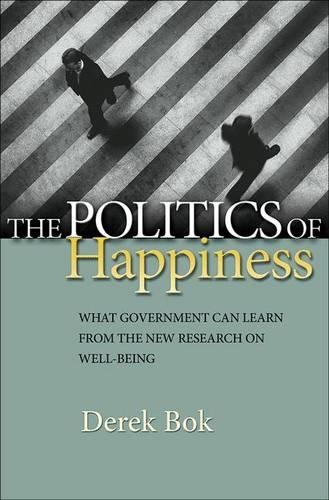
Книга The Politics of Happiness: What Government Can Learn from the New Research on Well-Being
Bok provides a lucid analysis of scientific research on human happiness, and shows how it can and should be used to shape social policy. The breadth of his knowledge is matched only by the depth of his insight. There is not a word in this book to be missed. -- Daniel Gilbert, author of "Stumbling on Happiness" Derek Bok asks the right question, 'What policies would produce the greatest happiness?' and he gives great and often startling answers, combining his deep knowledge of politics with the new findings of happiness research. -- Richard Layard, author of "Happiness: Lessons from a New Science" Consistently fair-minded, pragmatic, and insightful, this is the single best book on its subject to date. Derek Bok confronts the findings of happiness research head-on and does not shy away from pursuing its implications. -- Darrin M. McMahon, author of "Happiness: A History" This strong and timely book should have a major impact on how policymakers think. -- Barry Schwartz, author of "The Paradox of Choice: Why More Is Less" Happiness research has principally focused on the factors affecting happiness, while policy implications remain an afterthought. There needs to be a more thoughtful and thorough consideration of these policy implications, and this excellent book is a significant contribution to the subject. -- Richard Easterlin, University of Southern California
During the past forty years, thousands of studies have been carried out on the subject of happiness. Some have explored the levels of happiness or dissatisfaction associated with typical daily activities, such as working, seeing friends, or doing household chores. Others have tried to determine the extent to which income, family, religion, and other factors are associated with the satisfaction people feel about their lives. The Gallup organization has begun conducting global surveys of happiness, and several countries are considering publishing periodic reports on the growth or decline of happiness among their people. One nation, tiny Bhutan, has actually made 'Gross National Happiness' the central aim of its domestic policy. How might happiness research affect government policy in the United States - and beyond? In "The Politics of Happiness", former Harvard president Derek Bok examines how governments could use the rapidly growing research data on what makes people happy - in a variety of policy areas to increase well-being and improve the quality of life for all their citizens. Bok first describes the principal findings of happiness researchers. He considers how reliable the results appear to be and whether they deserve to be taken into account in devising government policies. Recognizing both the strengths and weaknesses of happiness research, Bok looks at the policy implications for economic growth, equality, retirement, unemployment, health care, mental health, family programs, education, and government quality, among other subjects. Timely and incisive, "The Politics of Happiness" sheds new light on what makes people happy and how government policy could foster greater satisfaction for all.