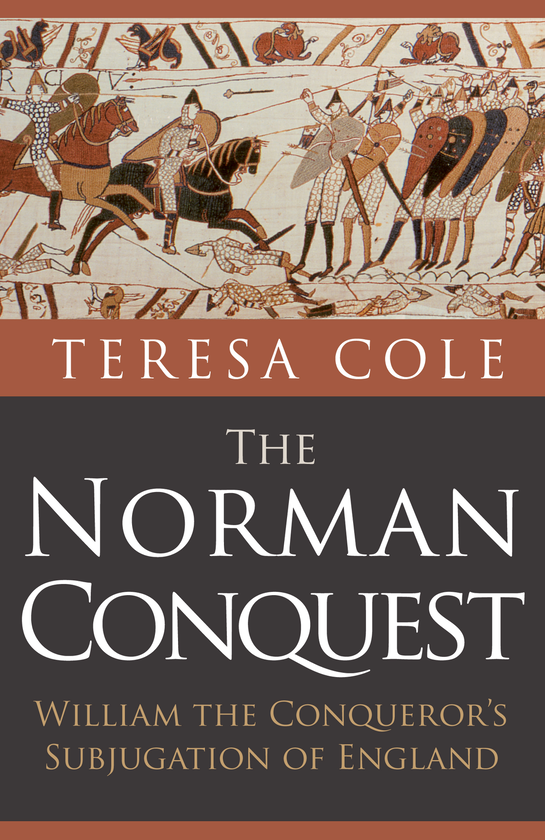
1066 saw three kings of England, the last of whom was William, Duke of Normandy.
Tradition tells us the conquest of England by the powerful Normans was inescapable, and suggests England benefited almost at once from closer links with Europe. But new discoveries have thrown doubt on these long accepted beliefs. The Battle of Hastings itself must be reassessed, its very site disputed, as must the whereabouts of the mortal remains of the defeated King Harold.
As for the kings themselves; was Edward the Confessor as saintly and William as dominant as they have been portrayed, and was Harold more than just the hinge on which history turned?
Nine and a half centuries later it is appropriate to look again at the course and outcomes of the Norman Conquest of England, the genocide committed in northern England, the wholesale transfer of lands to Norman lords, and the Domesday Book designed to enable every last drop of riches to be extracted from a subdued kingdom.
14 October 2016 saw the
950th anniversary of the Battle of the Hastings, English
Heritage who look after the battlefield site are planning many events around this
date.
- Reviews in the history and heritage interest press, national
weeklies, national daily and Sunday newspapers, to include: BBC History Magazine, The Times and The Sunday Telegraph and The
Spectator.
- Subject of the book is
relevant to a large number of popular visitor attractions including the site of
the Battle of Hastings at Battle
Abbey (English Heritage), The Tower of London (Historic Royal Palaces) and many
other heritage sites, especially Norman castles (Norwich,Kenilworth, Leeds, Warwick).