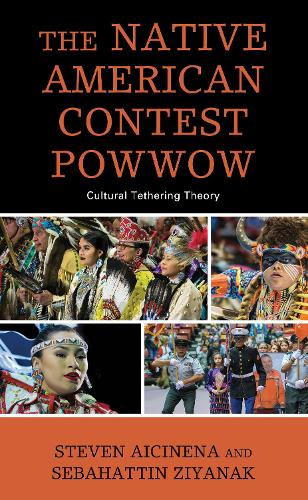
Книга The Native American Contest Powwow: Cultural Tethering Theory
The Native American Contest Powwow introduces Cultural Tethering Theory to convey the importance of the contest powwow in the celebration and preservation of Native American culture. The book addresses the concepts of culture, cultural change, acculturation, assimilation, and illustrates how competitive powwows align with and differ from competitive sporting events. Authors Steven Aicinena and Sebahattin Ziyanak go on to explain how the modern intertribal contest powwow evolved and why modern Native American cultures are experiencing an erosion of traditional values, a rapid loss of traditional languages, dysfunctional changes in social organization, limited opportunity to transmit culturally valued knowledge, and reduced opportunities for youths to observe culturally appropriate behavior. The authors also examine Native American identity and explore who can legitimately claim to be a Native American under current laws and customs. Additional topics addressed include blood quantum, cultural knowledge, cultural participation, being Indian, and playing Indian. Finally, the authors describe the difference between being Native American and playing Indian in powwow and pseudo-cultural powwow environments.
The Native American Contest Powwow introduces Cultural Tethering Theory to convey the importance of the contest powwow in the celebration and preservation of Native American culture. The book addresses the concepts of culture, cultural change, acculturation, assimilation, and illustrates how competitive powwows align with and differ from competitive sporting events. Authors Steven Aicinena and Sebahattin Ziyanak go on to explain how the modern intertribal contest powwow evolved and why modern Native American cultures are experiencing an erosion of traditional values, a rapid loss of traditional languages, dysfunctional changes in social organization, limited opportunity to transmit culturally valued knowledge, and reduced opportunities for youths to observe culturally appropriate behavior. The authors also examine Native American identity and explore who can legitimately claim to be a Native American under current laws and customs. Additional topics addressed include blood quantum, cultural knowledge, cultural participation, being Indian, and playing Indian. Finally, the authors describe the difference between being Native American and playing Indian in powwow and pseudo-cultural powwow environments.
"
Through case studies of the Gathering of Nations and the Northern Plains Contest Powwow, Aicinena and Ziyanak investigate the emergence of the contest powwow in the second half of the 20th century. Contest powwows promote pan-Indian and intertribal values of extended kinship, hospitality, humor, dance and drumming, and reverence for elders and military veterans. The study finds that these commercialized spectacles are secular events produced for mass audiences featuring fancy dancing competitions that award large cash prizes to winners. Non-Indians and Natives from many different tribes purchase tickets to view and participate in these cultural tourism events, which resemble college basketball games. Traditional powwows persist to commemorate particular tribal communities, constituting what Émile Durkheim termed a “total social fact”: annual reunions promoting traditional spirituality, lifeways, and communities' economic well-being. Contest powwows, however, champion individualistic values of winning over harmonious communal relations and cannot undo the erosion of the “cultural tethers” that promote Native solidarity: living in a tribal community, speaking a traditional language, and being enmeshed in a local culture and social organization. This useful study investigates a neglected dimension of pan-Indian identity in the US. Recommended. General readers and lower-division undergraduates.
" - Choice Reviews"
Through case studies of the Gathering of Nations and the Northern Plains Contest Powwow, Aicinena and Ziyanak investigate the emergence of the contest powwow in the second half of the 20th century. Contest powwows promote pan-Indian and intertribal values of extended kinship, hospitality, humor, dance and drumming, and reverence for elders and military veterans. The study finds that these commercialized spectacles are secular events produced for mass audiences featuring fancy dancing competitions that award large cash prizes to winners. Non-Indians and Natives from many different tribes purchase tickets to view and participate in these cultural tourism events, which resemble college basketball games. Traditional powwows persist to commemorate particular tribal communities, constituting what Émile Durkheim termed a “total social fact”: annual reunions promoting traditional spirituality, lifeways, and communities' economic well-being. Contest powwows, however, champion individualistic values of winning over harmonious communal relations and cannot undo the erosion of the “cultural tethers” that promote Native solidarity: living in a tribal community, speaking a traditional language, and being enmeshed in a local culture and social organization. This useful study investigates a neglected dimension of pan-Indian identity in the US. Recommended. General readers and lower-division undergraduates.
" - Choice Reviews