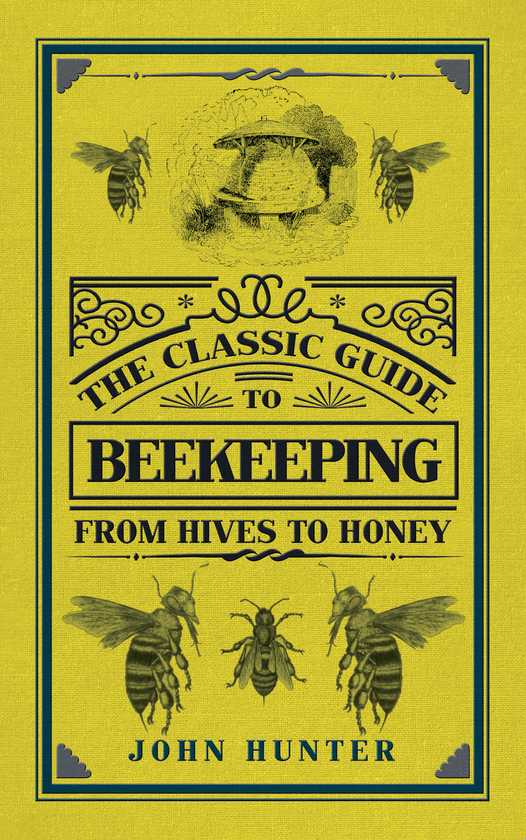
The first human attempts to collect honey from wild bees were some 15,000 years ago, while the Ancient Egyptians depicted domesticated bees around 4,500 years ago. But it was only in the eighteenth century that a better understanding of how bees live led to the invention of a moveable comb hive that allowed beekeepers to harvest honey without destroying the colony.
Beekeeping had become truly popular by the late nineteenth century, when this manual was written as a comprehensive guide by John Hunter, Honorary Secretary of the British Beekeepers’ Association. Whether you are a seasoned urban beekeeper or an aspiring countryside smallholder, this book will provide you with a fascinating insight into the essentials of the hobby.
Latest in Amberley's new The Classic Guide to ... Series
There are 24,000 amateur beekeepers in the United Kingdom.
Beekeeping is regularly featured on television, for example on Gardeners' World and A Taste of Britain, and there is a magazine, Bee Craft, devoted to the hobby.
Stroud is the world's first Bee Guardian Town, and Gloucester is a Bee Guardian City, demonstrating local interest.
Six contemporary recipes using honey are included.
Visitor numbers for the Natural History Museum, Chain Bridge Honey Farm, Quince Honey Farm and Acton Scott Working Historical Farm suggest continued interest in rural life and insects.