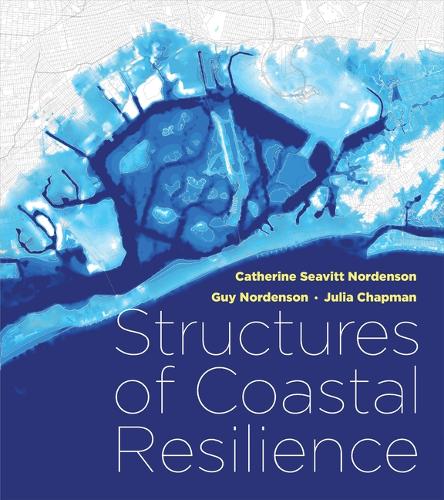
Structures of Coastal Resilience presents new strategies for creative and collaborative approaches to coastal planning for climate change. In the face of sea level rise and an increased risk of flooding from storm surge, we must become less dependent on traditional approaches to flood control that have relied on levees, sea walls, and other forms of hard infrastructure. But what are alternative approaches for designers and planners facing the significant challenge of strengthening their communities to adapt to uncertain climate futures? Authors Catherine Seavitt Nordenson, Guy Nordenson, and Julia Chapman have been at the forefront of research on new approaches to effective coastal resilience planning for over a decade. In Structures of Coastal Resilience, they reimagine how coastal planning might better serve communities grappling with a future of uncertain environmental change. They encourage more creative design techniques at the beginning of the planning process, and offer examples of innovative work incorporating flexible natural systems into traditional infrastructure.
They also draw lessons for coastal planning from approaches more commonly applied to fire and seismic engineering. This is essential, they argue, because storms, sea level rise, and other conditions of coastal change will incorporate higher degrees of uncertainty--which have traditionally been part of planning for wildfires and earthquakes, but not floods or storms. This book is for anyone grappling with the immense questions of how to prepare communities to flourish despite unprecedented climate impacts. It offers insights into new approaches to design, engineering, and planning, envisioning adaptive and resilient futures for coastal areas.
"A significant contribution to the body of research on coastal resilience...Structures of Coastal Resilience is an excellent collation of current design research and trends related to our coasts. And through historical analysis, ecological research, and an exploration of representation, the book suggests new ways of seeing and responding to the opportunities our coasts provide." - ASLA's The Dirt
"This text is a cross-disciplinary tool for the future of coastal designs. That future will require engineers and artists, architects, and biologists to work together to create nature-based coastlines that are more resilient." - Quarterly Review of Biology