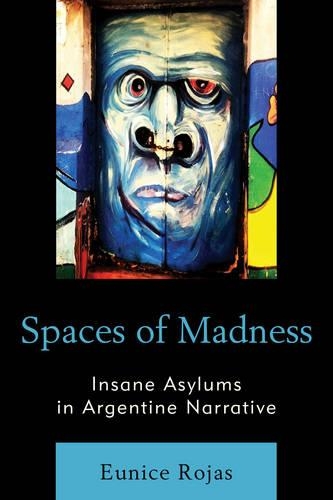
Книга Spaces of Madness: Insane Asylums in Argentine Narrative
Spaces of Madness examines the role of madness and irrationality in the works of four key Argentine novelists: Julio Cortázar, Ricardo Piglia, Juan José Saer, and Luisa Valenzuela. Situating these works within the deconstructivist framework provided by Michel Foucault’s History of Madness, Spaces of Madness demonstrates the ways in which the perceived superiority of reason to madness is called into question in light of the challenges posed by the atrocities of Argentina’s Dirty War (1976-83). The works of the authors studied in Spaces of Madness reflect at times a wave of glorification of the irrational as a consequence of a growing distrust of rationalism, and often use the concept of madness as a metaphorical representation of an artistic type of irrationality as a means of resistance against supposedly rational forces of violence and repression. The works of the four authors studied here seek to dislodge reason, sanity and rationality from their pedestal by proposing madness as a metaphor for the often artistic efforts of resistance against the violent and repressive consequences of purported rationality taken to irrational extremes.
"Rojas explores the function of medical madness, as a theme, in some Argentine prose works published between 1889 and 2011. She engages with Manuel T. Podestá, Roberto Artl, Leopoldo Marechal, Julio Cortázar, Adolfo Bioy Casares, Juan José Saer, Aberlardo Castillo, Ricardo Piglia, and Luisa Valenzuela to dislocate reason, sanity, and rationality in opposition to madness as an artistic metaphor of resistance to oppressive military dictatorships. Even though the study covers more than a century, it focuses on works dealing with Argentina's Dirty War—also known as Process of National Reorganization, the name used by the Argentine military government for a period of state terrorism from roughly 1974 to 1983. Building on Foucault and Derrida, Rojas looks at concepts of heterotopia, cure, and poison in studying how insanity functioned within Argentine society and literature. In addition, using as a model the Borda Hospital, the oldest and most important national psychiatric institute (which is located Buenos Aires), the book examines psychiatric hospitals and asylums and depicts them as alternative spaces of resistance against pseudo rational forces of violence and repression. Of particular value to those interested in Argentine prose. Summing Up: Recommended. Upper-division undergraduates and above." - CHOICE
"The title of this well-researched and compelling book says it all... Spaces of Madness offers a compelling conspectus of how literary and non-literary discourse has shaped the evolution of the asylum in Argentinian society." - Bulletin of Spanish Studies