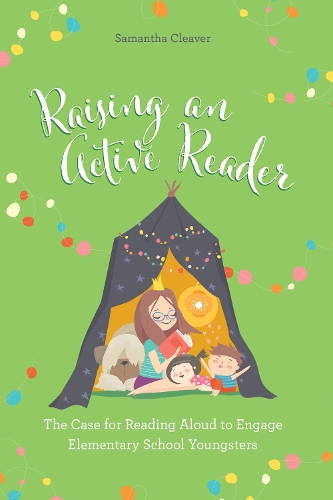
Книга Raising an Active Reader: The Case for Reading Aloud to Engage Elementary School Youngsters
"This book will prove a valuable resource for parents, teachers, and librarians on the vital topic of reading aloud." Library Journal, Starred Review
Parents and teachers know that reading aloud to children is important, and many parents of infants and toddlers read aloud to them daily. However, when children start to read on their own, parents often stop reading aloud. But these early elementary school years are actually a perfect time to build vocabulary and comprehension skills through reading aloud and Active Reading.
Raising an Active Reader makes clear the process of learning to read, how Active Reading fits into raising strong readers, and what adults can do to encourage strong language, comprehension, and vocabulary in children in grades K-3. This book extends on the ABCs of Active Reading (Ask Questions, Build Vocabulary, and make Connections) as they apply to older children for picture books, chapter books, and novels. It provides parents and teachers with examples, clear explanations, and ideas for making one-on-one or small group read aloud sessions a powerful way to build children’s early literacy and language skills, all while creating a lifelong love of reading.
"
Cleaver asserts that many parents stop reading aloud to their kids when the children start reading on their own. However, the elementary years prove one of the most beneficial times for reading aloud since vocabulary and comprehension skills are developed through Active Reading and reading aloud. The ABCs of active reading (ask questions, build vocabulary, and make connections) are here applied to these crucial years in skill development. To engage learners there are lists of questions for before, during, and after reading. In addition, the author shares how to practice active reading skills in various genres: nonfiction, fiction, first chapter books, and picture books. A special section explores how to help struggling readers by using such techniques as modeling how to visualize, using wordless picture books, keeping realistic goals, and celebrating strengths. The appendixes contain book lists organized by category and answers to frequently asked questions. This book will prove a valuable resource for parents, teachers, and librarians on the vital topic of reading aloud. With many titles geared toward reading aloud to babies, toddlers, and preschoolers, this helpful work will be ideal for school libraries.
" - Library Journal, Starred Review