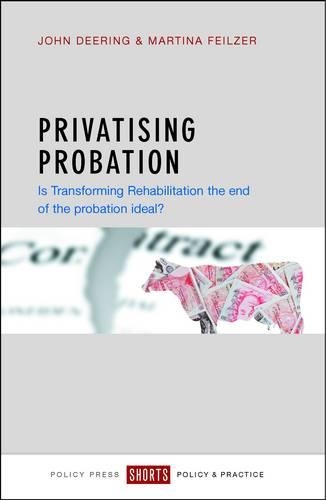
Over the past 20 years, there have been many changes to probation governance in England and Wales aimed at controlling it from central government. However, the changes introduced under the Transforming Rehabilitation (TR) agenda, introduced in 2013, are unprecedented: the service has been divided and part-privatised and no longer exists as a unified public body.
This topical book looks at the attitudes of probation practitioners and managers to the philosophy, values, and practicalities of TR. Based on a unique online survey of over 1300 respondents which found that they were unequivocally opposed to its broad aims and objectives, it provides unique insights into the values, attitudes and beliefs of probation staff and their delivery of services.
Including broader discussion of the privatisation/marketisation debate, the context of privatisation of criminal justice services and questions of legitimacy and governance, this is essential reading for everyone interested in the future of the service.The changes to probation governance introduced under the 2013 Transforming Rehabilitation (TR) agenda are unprecedented: probation has been divided and partially privatised. Based on a unique online survey of 1,300 respondents, Privatising Probation provides unique insights into the attitudes of probation practitioners and managers toward the philosophy, values, and practicalities of TR and how they deliver the service. Including broader discussion of the privatisation and marketisation debate, this book is essential reading for everyone interested in the future of probation.