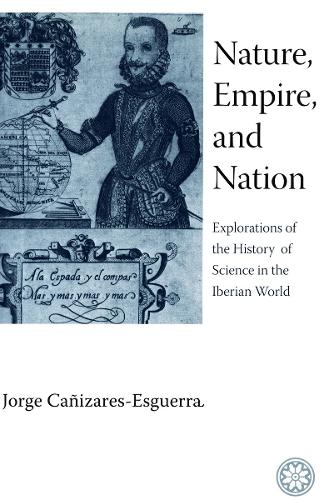
This collection of essays explores two traditions of interpreting and manipulating nature in the early-modern and nineteenth-century Iberian world: one instrumental and imperial, the other patriotic and national. Imperial representations laid the ground for the epistemological transformations of the so-called Scientific Revolutions. The patriotic narratives lie at the core of the first modern representations of the racialized body, Humboldtian theories of biodistribution, and views of the landscape as a historical text representing different layers of historical memory.
"The sheer breadth and richness of the materials discussed make this book a treasure trove of primary sources and historiography: it spans four centuries, a tremendous geographical scope, a wealth of disciplines, and a plethora of primary and secondary materials, including many astutely observed images. Nature, Empire, and Nation will prove enlightening and provocative for both specialists and nonspecialists." - University of Southern California
"Pathbreaking and provocative throughout, Nature, Empire, and Nation represents revisionist history at its best. The eight essays assembled here focus new attention on a much-neglected area of research: the place of both Spain and Spanish America in the history of early modern science and scientific thought. Cañizares-Esguerra's range of subjects is impressive—botany, cosmography, ecology, race, and more—but he addresses each in a lively, intelligent, and accessible manner. The book should be required reading for historians of science, as well as for anyone with interests in the intellectual and cultural history of the early modern Ibero-Atlantic world." - Johns Hopkins University