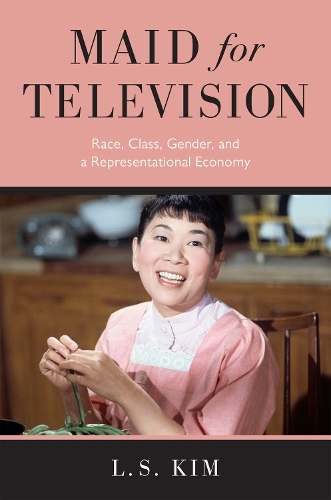
Maid for Television examines race, class, and gender relations as embodied in a long history of television servants from 1950 to the turn of the millennium. Although they reside at the visual peripheries, these figures are integral to the idealized American family. Author L. S. Kim redirects viewers' gaze towards the usually overlooked interface between characters, which is drawn through race, class, and gender positioning. Maid for Television tells the stories of servants and the families they work for, in so doing it investigates how Americans have dealt with difference through television as a medium and a mediator.The book philosophically redirects the gaze of television and its projection of racial discourse.
"Maid for Television is a rigorously intersectional and interdisciplinary study that places the racialized domestic servant at the center of U.S. television history. This figure is ubiquitously invisible, yet also absolutely essential to maintaining the white middle-class family as the nation’s social, economic, and political norm." - author of Shot in America: Television, the State, and the Rise of Chicano Cinema