2022 marked the thirtieth anniversary of the publication of one of the crucial studies in the definition of the pottery of the Iberian culture (7th to 1st centuries BC). The work of C. Mata and H. Bonet (1992) La cerámica ibérica: Ensayo de tipología both synthesized and at the same time brought to fruition a long trajectory of studies related to the material culture of this paradigmatic pre-Roman culture of the Iberian Peninsula, bequeathing to future generations a typological guide that remains valid. However, one of the ceramic types that this culture produced, Iberian grey ware, was not studied individually in the aforementioned research.
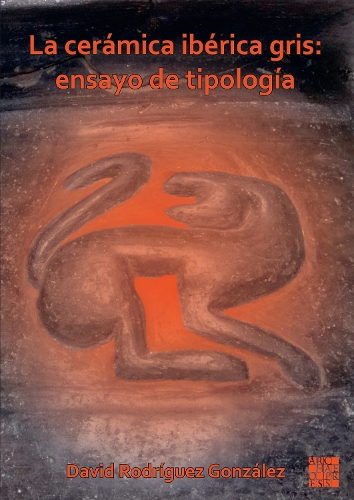
With this work and through the characterization of more than 6000 ceramics from 55 Iberian sites, our typological knowledge of the pottery productions of these protohistoric populations is completed. It is intended not only to expose the typological, but also the technological characteristics of Iberian grey ware, its functionality and even its origin and symbolism for the people who made it.
En el año 2022 se han cumplido treinta años desde que se publicó una de las investigaciones cruciales en la definición de la cerámica de la cultura ibérica (siglos VII a I a.C.). En el trabajo de C. Mata y H. Bonet (1992) La cerámica ibérica: Ensayo de tipología se sintetizó y a la vez culminó una larga trayectoria de estudios relativos a la cultura material de esta paradigmática cultura prerromana de la Península Ibérica, legando a las generaciones futuras una guía tipológica todavía vigente. Sin embargo, uno de los tipos cerámicos que esta cultura fabricó, la cerámica ibérica gris, no fue estudiada de manera individual en la citada investigación.
Con esta obra y a través de la caracterización de más de 6000 cerámicas procedentes de 55 yacimientos ibéricos se completa el conocimiento tipológico que se tiene de las producciones alfareras de estas poblaciones protohistóricas. A través de ella y mediante una investigación exhaustiva se pretende no solo exponer sus características tipológicas, si no también tecnológicas, su funcionalidad e incluso su origen y simbología para las personas que las fabricaron.