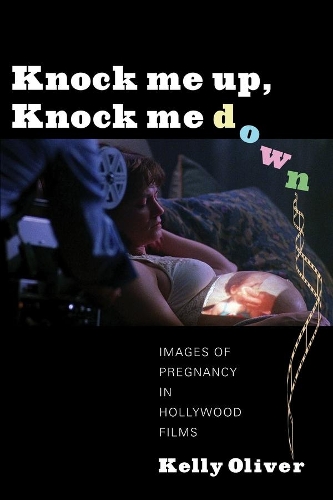
Книга Knock Me Up, Knock Me Down: Images of Pregnancy in Hollywood Films
A scholarly, engaging, and challenging account. Drawing on concepts from science, philosophy, feminism, and film, Oliver's book invites us to evaluate our own beliefs, values, and expectations of the future and challenges the reader with the depth of its erudition. It examines new possibilities, not all positive, in an age of techno-pregnancy and the erotic glorification of 'baby bumps,' 'momshells,' and pregnant celebrities. A highly serious yet entertaining account of the relationship between film and the popular imagination and a timely reminder of the importance of popular culture in everyday life. -- Barbara Creed, University of Melbourne In her characteristically lucid prose and with her incisive wit, Oliver easily engages the reader in this very timely and much needed analysis of representations of the pregnant body and birth in Hollywood film, ranging from the romantic comedy to horror and science fiction. Knock Me Up, Knock Me Down is as enjoyable and accessible as it is insightful. -- Pleshette DeArmitt, The University of Memphis
No longer is pregnancy a repulsive or shameful condition in Hollywood films, but an attractive attribute, often enhancing the romantic or comedic storyline of a female character. Kelly Oliver investigates this curious shift and its reflection of changing attitudes toward women's roles in reproduction and the family. Not all representations signify progress. Oliver finds that in many pregnancy films, our anxieties over modern reproductive practices and technologies are made manifest, and in some cases perpetuate conventions curtailing women's freedom. Reading such films as Where the Heart Is (2000), Riding in Cars with Boys (2001), Palindromes (2004), Saved! (2004), Quinceanera (2006), Children of Men (2006), Knocked Up (2007), Juno (2007), Baby Mama (2008), Away We Go (2009), Precious (2009), The Back-up Plan (2010), Due Date (2010), and Twilight: Breaking Dawn (2011), Oliver investigates pregnancy as a vehicle for romance, a political issue of "choice," a representation of the hosting of "others," a prism for fears of miscegenation, and a screen for modern technological anxieties.