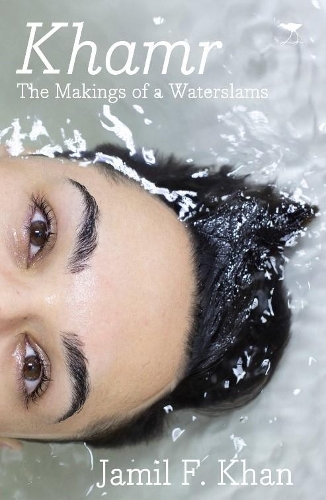
Книга Khamr: The Makings of a Waterslams
A memoir that balances intimate personal memory and critical thinking around issues of religion, class, race, ethnicity, gender and sexuality; A coming of age story that appeals to those who have experienced a similar background and childhood, more specifically queer people, questioning queer Muslims, members of the Coloured community and other Black people; A handbook for academics in fields related to religious studies, critical diversity, education and African literature, etc; As a commentator and analyst in areas that relate to critical diversity studies, the author writes a column for the Sowetan, frequently appears as an analyst/commentator on television including channels Newzroom Afrika, eNCA and SABC. He has also been invited to give input in his field of expertise on various radio platforms; The author has a large social media following on Twitter.
Khamr: The Makings of a Waterslams is a true story that maps the author’s experience of living with an alcoholic father and the direct conflict of having to perform a Muslim life that taught him that nearly everything he called home was forbidden. A detailed account from his childhood to early adulthood, Jamil F. Khan lays bare the experience of living in a so-called middle-class Coloured home in a neighbourhood called Bernadino Heights in Kraaifontein, a suburb to the north of Cape Town. His memories are overwhelmed by the constant discord that was created by the chaos and dysfunction of his alcoholic home and a co-dependent relationship with his mother, while trying to manage the daily routine of his parents’ keeping up appearances and him maintaining scholastic excellence. Khan’s memories are clear and detailed, which in turn is complemented by his scholarly thinking and analysis of those memories. He interrogates the intersections of Islam, Colouredness and the hypocrisy of respectability as well as the effect perceived class status has on these social realities in simple yet incisive language, giving the reader more than just a memoir of pain and suffering. Khan says about his debut book: ‘This is not a story for the romanticisation of pain and perseverance, although it tells of overcoming many difficulties. It is a critique of secret violence in faith communities and families, and the hypocrisy that has damaged so many people still looking for a place and way to voice their trauma. This is a critique of the value placed on ritual and culture at the expense of human life and well-being, and the far-reaching consequences of systems of oppression dressed up as tradition.’