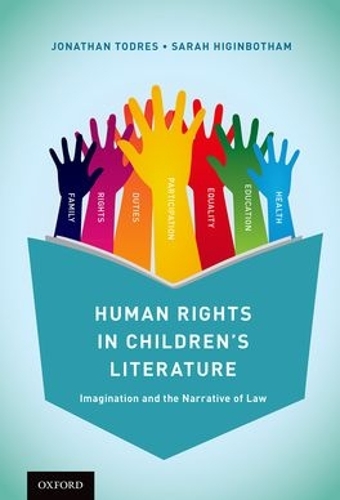
Книга Human Rights in Children's Literature: Imagination and the Narrative of Law
How can children grow to realize their inherent rights and respect the rights of others? In this book, authors Jonathan Todres and Sarah Higinbotham explore this question through both human rights law and children's literature. Both international and domestic law affirm that children have rights, but how are these norms disseminated so that they make a difference in children's lives? Human rights education research demonstrates that when children learn about human rights, they exhibit greater self-esteem and respect the rights of others. The Convention on the Rights of the Child -- the most widely-ratified human rights treaty -- not only ensures that children have rights, it also requires that states make those rights "widely known, by appropriate and active means, to adults and children alike." This first-of-its-kind requirement for a human rights treaty indicates that if rights are to be meaningful to the lives of children, then government and civil society must engage with those rights in ways that are relevant to children. Human Rights in Children's Literature investigates children's rights under international law -- identity and family rights, the right to be heard, the right to be free from discrimination, and other civil, political, economic, social and cultural rights -- and considers the way in which those rights are embedded in children's literature from Peter Rabbit to Horton Hears a Who! to Harry Potter. This book traverses children's rights law, literary theory, and human rights education to argue that in order for children to fully realize their human rights, they first have to imagine and understand them.
"The authors analyze and discuss children's books that exemplify the rights and ideas covered within that area of international law, as well as reader responses from children engaged with those same fictional texts. The result is a book that is complex, informative, and multifaceted... The selected results of this qualitative study help bolster the authors' claims that children's literature can and does affect the perception of human rights among young readers while supporting the idea that the study of children's literature is valid and important in this context." - Rebekah Fitzsimmons, The Lion and the Unicorn
"For those working to bring human rights home, the book offers important and unique insights on the role that childrens literature can play in shaping a culture of human rights, near and far." - Risa Kaufman, Columbia Law School Human Rights Institute (Human Rights at Home Blog)
"The authors have embarked upon a unique and thought-provoking exploration of childrens literature through which readers gain new insights into how stories influence childrens awareness of their rights. This groundbreaking inquiry is a must read for all those interested in learning how literature serves as a vehicle for human rights education." - Association for Childhood Education International