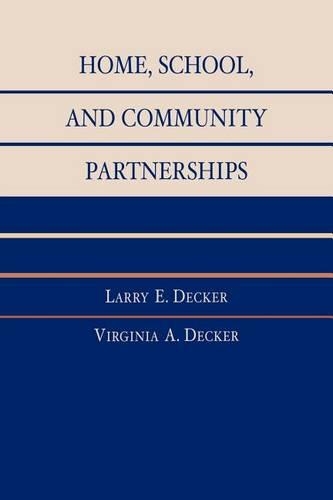
Книга Home, School, and Community Partnerships
Many Americans worry about what they see as a growing gulf between the American public and its public schools. Troubling trends seem to indicate a fraying relationship among families, schools, and communities. Education reform has become the topic of many conversations as well as books and articles. There is widespread agreement that schools and education curricula need to be fixed, but there is no agreement on how this can be accomplished. Educators across the nation are implementing ideas and strategies that are making a difference in children's lives and in the health and well being of our communities. Structured in ten chapters, this book will help educators weave some of the best ideas for creating and sustaining family and community engagement into a comprehensive home-school-community partnership program tailored to their own communities. Website references and URLs for additional exploration are included. For educational leaders, teachers, and family and community advocates interested in creating and maintaining home-school-community partnerships and collaborative initiatives.
"Larry and Virginia Decker have clearly shown us how to close the 'growing gulf between the American public and its public schools.' (p. v) This book has a broad and practical appeal to a variety of audiences. Administrators wishing to start a new program or improve an existing one will find valuable guidelines. Classroom teachers will better understand why and how greater community involvement and interaction can make their jobs easier. School board members will find extensive justification of the intrinsic value of such programs as will school-level or community-based leaders. Researchers will find the extensive bibliographical citations a treasure trove..." - Education Review
"Larry and Virginia Decker have clearly shown us how to close the 'growing gulf between the American public and its public schools.' (p. v) This book has a broad and practical appeal to a variety of audiences. Administrators wishing to start a new program or improve an existing one will find valuable guidelines. Classroom teachers will better understand why and how greater community involvement and interaction can make their jobs easier. School board members will find extensive justification of the intrinsic value of such programs as will school-level or community-based leaders. Researchers will find the extensive bibliographical citations a treasure trove." - Education Review