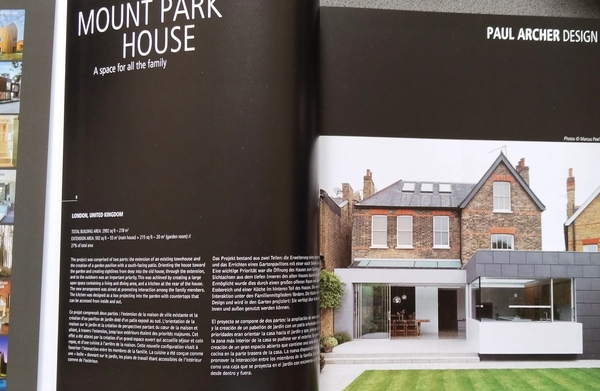
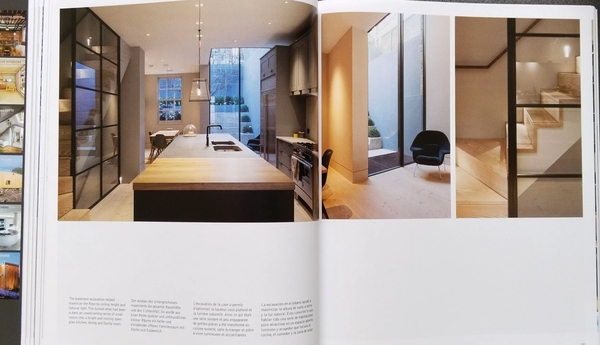
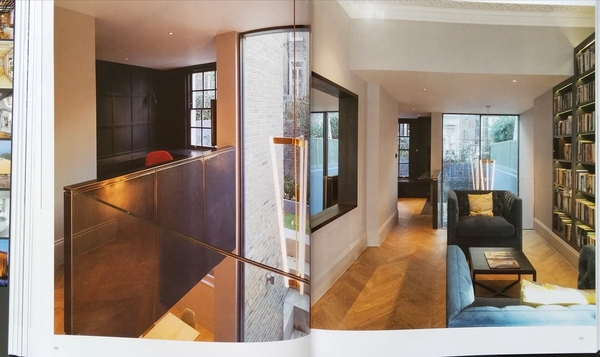
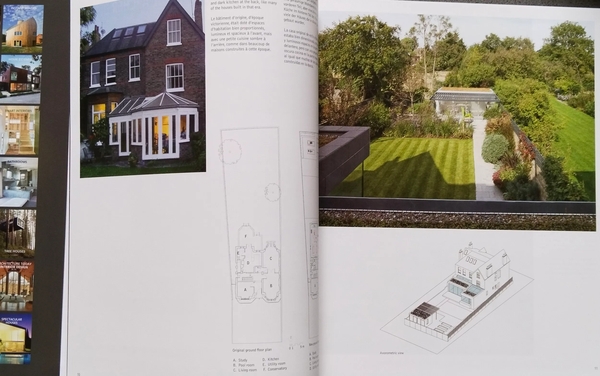
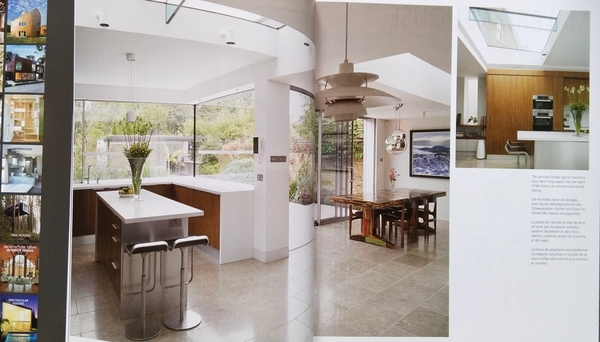
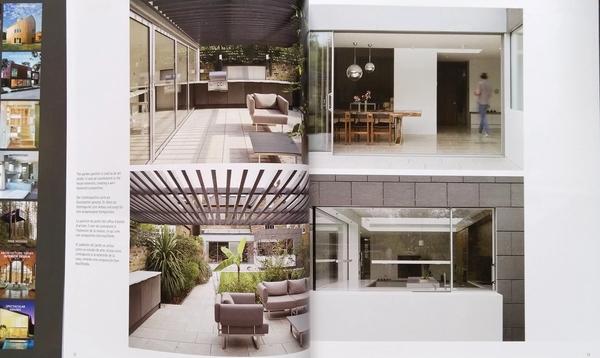
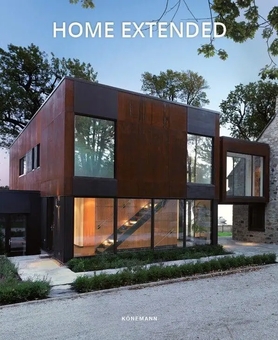
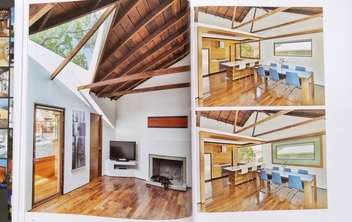
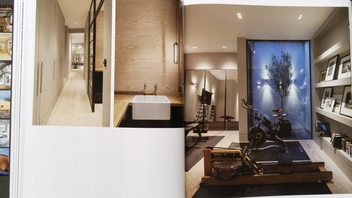
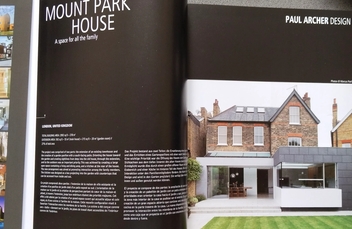
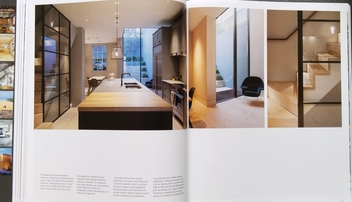
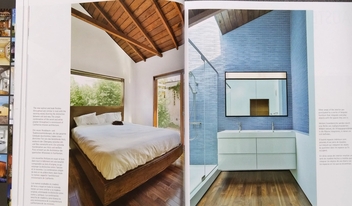
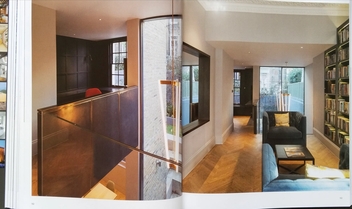
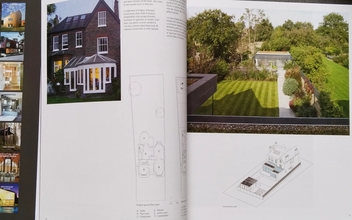
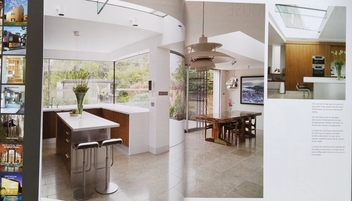
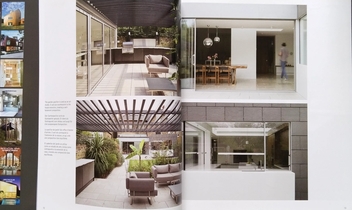
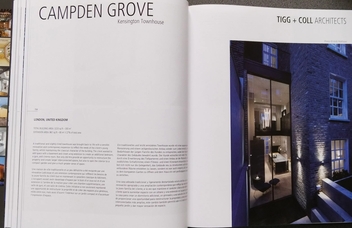
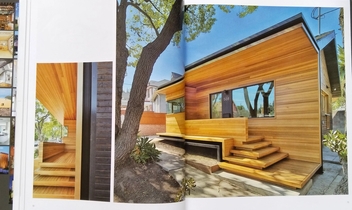
Introduction by Paul Archer, architect director at Paul Archer Design. When much of our existing housing stock was built, lifestyles were very different. This has meant that a large proportion of architect's work has been adapting these older buildings, rather than building afresh. We have needed to develop new skills. We all understand that we don't live like Victorians any more, but in reality, we don's live like we did even twenty-five years ago. Our familles are different, our social norms have changed, and amongst many other changes, we use technology in ways unimagined just a generation ago. The challenge is thus to adapt our old buildings to our new ways of living, whilst not destroying what we like about the older houses. Adaption will often mean adding more space. This will often be to the back, the roof or the side, or even sometimes underneath, whilst retaining the historical building's front as part of the street scape. But it can also mean radical changes to the way the interiors are organized. Most older buildings are very cellular, reflecting the available building technology and social conventions at the time. But we like to live in much more open and airy spaces, and new structural materials and building methods make it straightforward to remove walls and free the space.